The Bible is not just a book of made up people, places, and events – it is a book of true stories, containing facts of the past that are currently being corroborated by modern-day archaeology. While there is yet much to discover that has been buried under the sands of time for millennia, the evidence that has been found thus far to support the Bible to the tiniest detail is both thrilling and faith-boosting.
Almost all of the prophecies in the Bible have been fulfilled, exactly as predicted, and more are coming to pass as we speak. The historical accounts of the past are currently being corroborated by science and archaeology together, just as written. The Bible is true – which means Jesus Christ is alive, He loves you infinitely and died to save you, and He’s coming back very soon to rescue those who will accept Him into their life and choose to walk with Him by faith.
The Dead Sea Scrolls
The Avaris Tomb
The Tomb of Amenhotep II
The Soleb Inscription
The Mount Ebal Amulet
Linear Elamite Stone
Sodom and Gomorrah
Ancient Jericho
Tel Lachish and the Toilet Seat
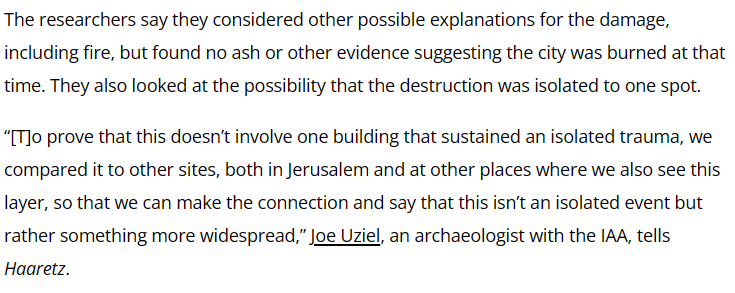
King Uzziah’s Earthquake
The East India House Inscription
Nebo-Sarsechim Tablet
The Babylonian Chronicles
The Flood
The Tel Dan Stela
The Merneptah Stela
Ketef Hinnom Scrolls
Mesad Hashavayu Ostracon
Mount Sinai
Hezekiah’s Tunnel
Shiloh Tabernacle
25,000 Manuscript Copies of the New Testament
Ancient Non-Christian References to Jesus
The St. John Fragment – Ryland’s Papyrus 52
The Pilate Stone
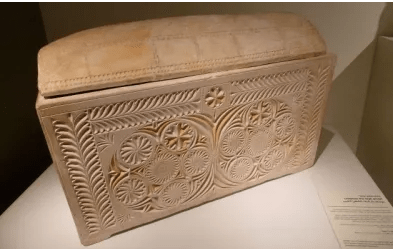
The Caiaphas Ossuary
The Bethesda Pool
The Pool of Siloam
The Gallio Inscription
The Erastus Inscription
The Sergius Paulus Inscriptions
The Nazareth Inscription
The Crucified Man
“Jesus [is] Present” Inscription at Beit Loya
Conclusion
This is not a complete list – there is so much more out there that has been discovered and is currently being excavated.
This page will be updated occasionally.
Discoveries From the Old Testament
The Dead Sea Scrolls
In 1947, a teenage shepherd boy was tending his sheep and goats and stumbled upon a cave along the shore, 13 miles east of Jerusalem, 1300 feet below sea level.
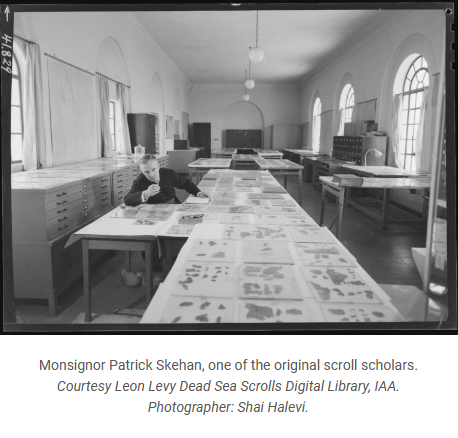
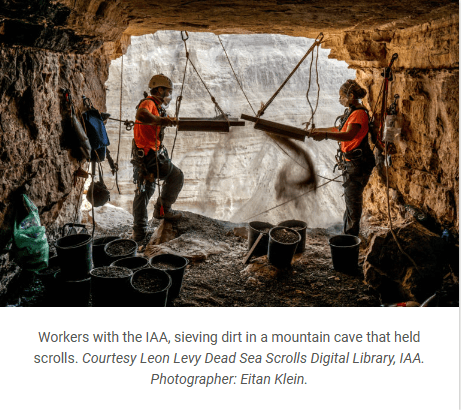
In that cave were jars containing seven ancient parchment, leather, and papyrus manuscripts that were remarkably preserved due to the arid climate of the Judean Desert. Since then, 950 manuscripts have been found in 11 nearby caves that all date back to the turn of the era, 230 of which are “biblical scrolls,” containing either partial or complete copies of every single one of the 39 books of the Hebrew Old Testament – except the book of Esther. They closely resemble the Masoretic Text, from which the King James Version of the Bible (the most widely acknowledged as accurate of all the translations today) is translated.
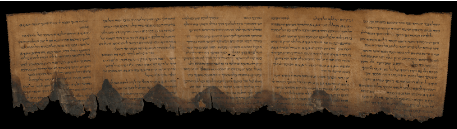
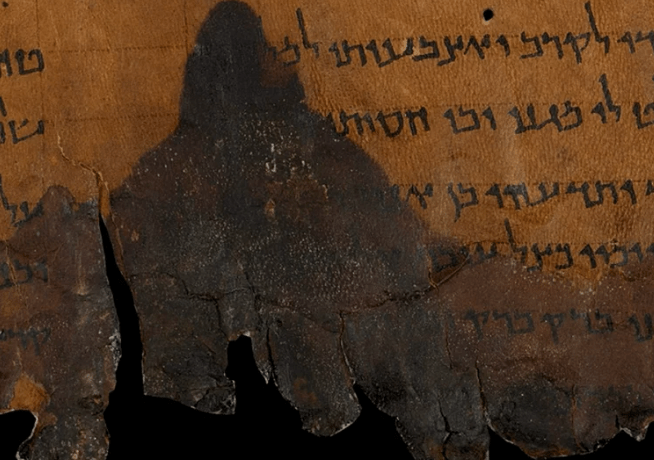
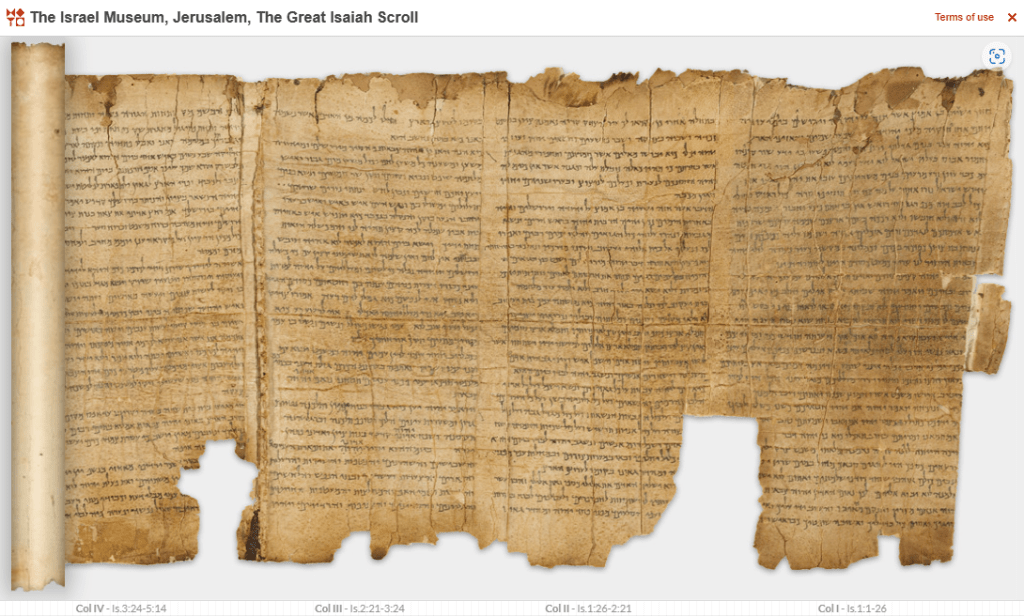
One of these scrolls is known as the Great Isaiah Scroll. It is one of the original seven scrolls found in 1947, is 24 feet long, the best preserved of all 950 manuscripts, and includes all 66 chapters of the Book of Isaiah as we know it today. The 17 sheets of parchment it’s written on date back to 125 B.C., and are 1,000 years older than any previously known manuscripts of the Hebrew Bible.
These manuscripts all date back to between 225 B.C and A.D. 50, making them the oldest known copies of Biblical works. They predate even the manuscripts our current Bibles were translated from by a thousand years, and yet they read almost identically to what we have today – and prove that the Bible is indeed as old, and as accurate, as its followers believe.


The Avaris Tomb
“Now Israel loved Joseph more than his other sons, because Joseph had been born to him in his old age; so he made him a robe of many colors.” Genesis 37:3
“And Joseph situated his father and his brothers, and gave them a possession in the land of Egypt, in the best of the land, in the land of Rameses…” Genesis 47:11
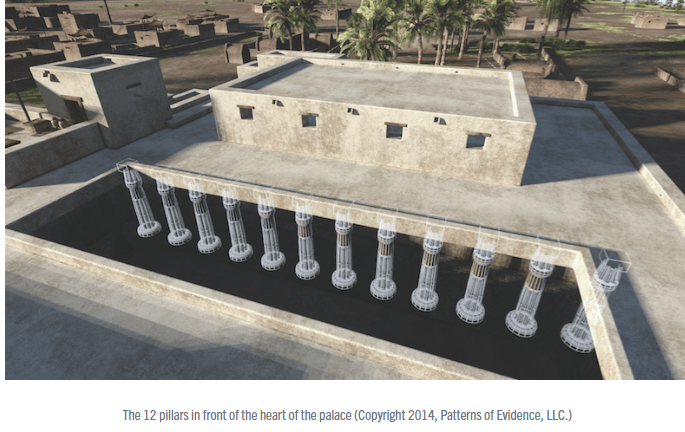
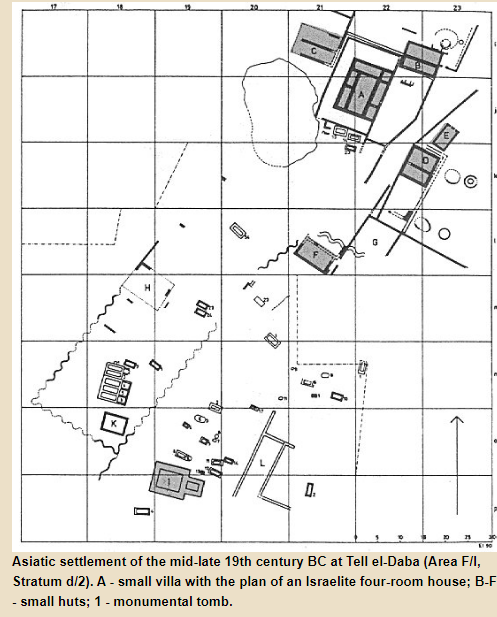
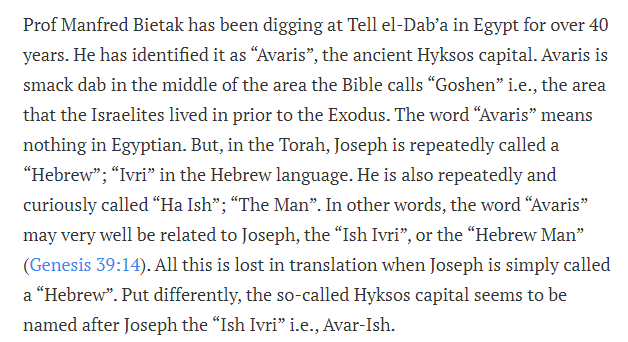
Avaris is an ancient settlement that was discovered in the land of Rameses, Egypt in the 1920s. Lying along the Nile delta on the route to Cannan, it had apparently been inhabited for several hundred years in the Middle Bronze Age by those of non-Egyptian origin, and subsequently deserted, rebuilt and inhabited once again by Egyptians. The architecture is strikingly non-Egyptian, and lends itself to a northern Syrian style. The settlement included the remnants of 12 pillars at the entrance, and a central four-room villa with 6 huts situated in a semicircle around it, and 12 burial sites, with one being most prominent as an apparent tomb of an Egyptian official…who was not actually Egyptian.
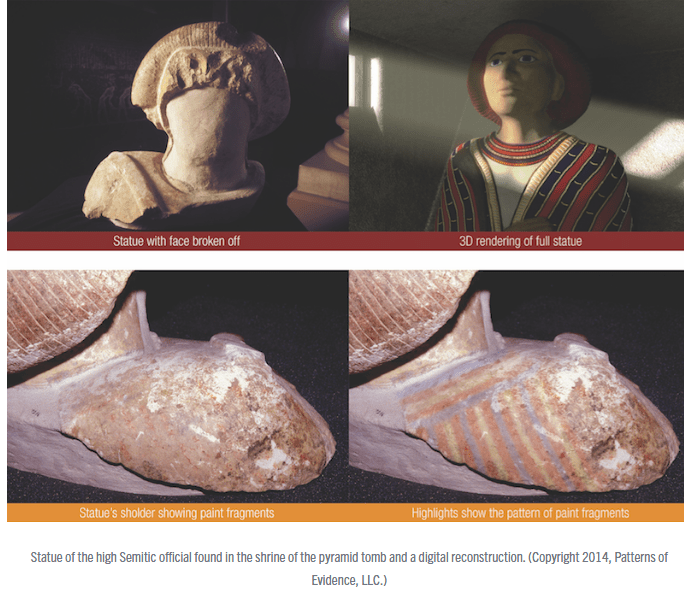
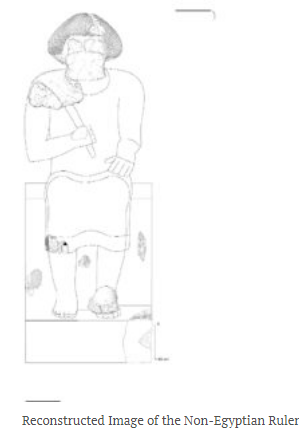
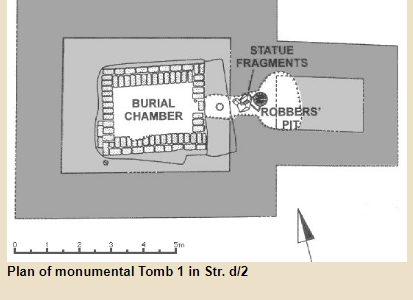
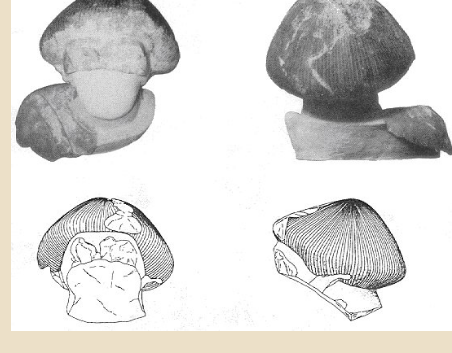
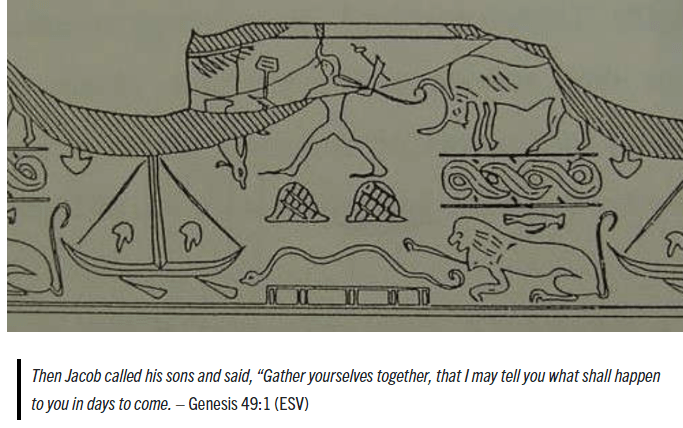
Within the largest tomb, there was a twice-life-size seated statue of a high-ranking non-Egyptian (as evidenced by the unusual color of paint used for the skin, and the throw-stick in the hand of the statue, which represented the Egyptian heiroglyph symbolized a foreigner) who was assimilated into Egyptian culture (the statue was of a clean-shaven man, which was the standard for Egyptians of the day). Although partly damaged, the statue showed the remnants of a striped multi-colored robe. Archaeologists discovered the tomb had been raided – possibly several times – but other than the fact that the statue was damaged (which was common in Egypt in times of political unrest, or whenever a new king arose) there was only one thing of note: the bones from the tomb were missing. There was also a seal discovered made with non-Egyptian symbolism – it included 12 different symbols around a deity-like figure in the center.
These findings are strikingly similar to the story of Joseph and his family, found in Genesis. The Bible tells us of a settlement in the land of Rameses in Egypt where Jacob (Israel) and his descendants had settled after their reunion with Joseph, the favorite of Israel’s 12 sons. His father had made him an expensive, custom multicolored robe as a token of his love, but Joseph was resented by his 10 older brothers due to their father’s favoritism, and they sold him into slavery in Egypt.
Because Joseph had been maintained his relationship with God, God blessed him and he arose into the good graces of the Pharaoh, partly through hard work and strong character – and partly thanks to God giving him the ability to interpret dreams, foretell of a famine, and give the king several years advanced notice to prepare the land. Pharaoh made him Prime Minister of Egypt, and gave Joseph permission to invite his family (whom he had forgiven for their terrible act) to come from their land of Canaan (in Syria) to the land of Goshen in the outskirts of Rameses. When Israel died, he gave blessings to each of his sons and described them by various symbols, which correspond to the symbols noted in the seal found at Avaris.
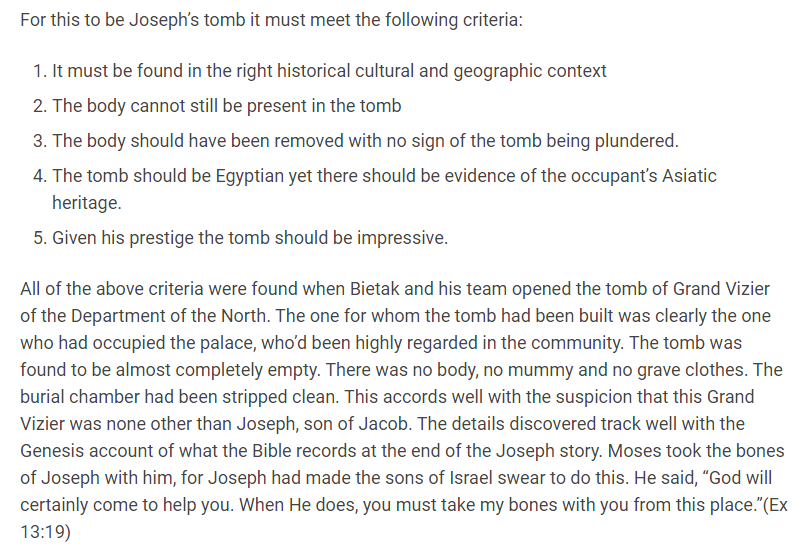
Joseph lived to the ripe-old age of 110 years, and directed his people that if they were ever to move from that settlement, that they were to take his bones with them (which Moses did hundreds of years later, as told in Exodus 13:19.)
The findings in Tell el-Daba, Avaris, are exactly what one would expect of the settlement and tomb of Joseph according to the Biblical account. Archaeologists who do not subscribe to the Biblical account have confirmed that, while they may have theories as to what the statue and other findings may relate to, there are many inconsistencies with the pagan examples that are most similar to it. In all of Egypt, there are no statues of its kind, and the specificity to which the findings match with the Biblical account is astounding.
The Tomb of Amenhotep II
One of the most important stories of the Bible is the account of God’s people being delivered from Egypt after ten plagues fell on the nation ruled by a stubborn Pharaoh who refused to surrender to the God who created him, and would not have mercy on His people. Skeptics argue there are no archaeological findings that corroborate this story, and if the Bible were true, there would be evidence to support the Exodus. That’s why the discovery of the tomb of Amenhotep II is so significant.
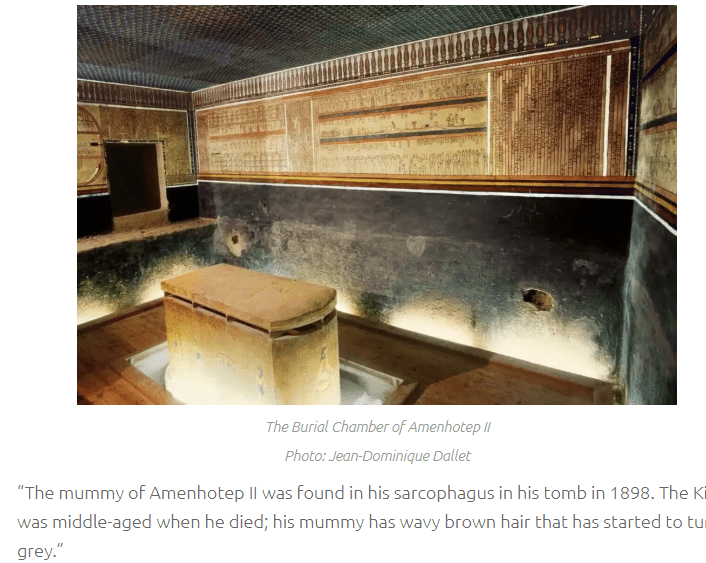
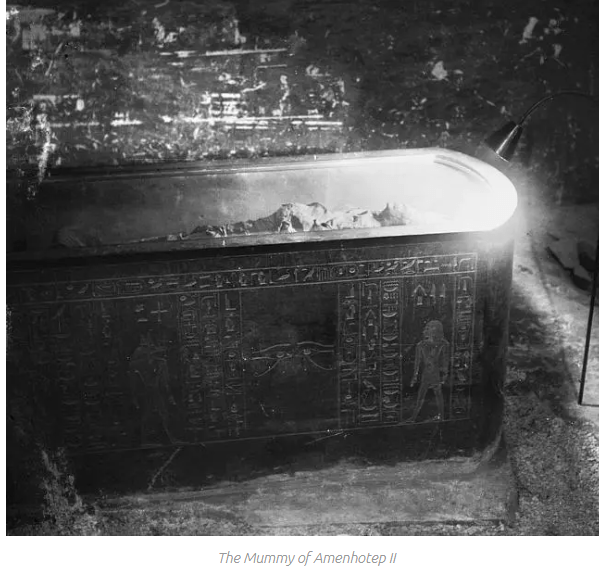
In 1898, French archaeologist Victor Loret found himself and his team in a never-before-excavated tomb in the Valley of the Kings. As they traversed through darkness and deep crevasses within the tomb, they came to a sarcophagus. The tomb had already been raided at some point within the past 3,000 years or so, and antiquity was strewn around and broken. They expected to find the sarcophagus empty with the mummy stolen, like many of the other Pharaoh’s sarcophagi at the royal tombs in Thebes. However, to their surprise, the lid to the sarcophagus had been shifted, but the mummy was still inside.
Within the dark hallways of the tomb there were hieroglyphs and canopic jars. The hieroglyphs confirmed that this was indeed the tomb of Amenhotep II, and the canopic jars gave clues for one additional resident of the tombs: the Prince. The son of the Pharaoh was there.
As Loret and his team continued, they found an extra room that housed three mummies. One middle-aged female, one young-adult female, and one young boy around the age of 11 lying between them.
Loret returned to retrieve the mummies. It was later determined that the women found next to him were his mother, the wife of Amenhotep II, and the adult daughter of Amenhotep II. The boy himself wore his hair in a particular fashion – his head was shaved except for one long ponytail on the side. It was the traditional way the son of the Pharaoh was to have his hair done. After examination, the boy was returned to the tomb, placed in a safe wooden box, and left to rest in peace.
Amenhotep II was removed from his sarcophagus and brought for examination by Grafton Elliot Smith in 1907. Smith noted several interesting features about the body. The face bore a striking resemblance to that of Thutmose IV (Amenhotep II’s son and successor), with one major difference: “the general appearance of strength and decision of character of the former (Amenhotep II) are in marked contrast to the effeminate weakness of the latter (Thutmose IV).” Amenhotep II also was found to have “tubercles” (boils) all over his body, which, in the words of Smith, were “certainly unusual,” and had not been found on any of the other Pharaohs found in the Valley of the Kings.
In the Bible account, the Pharaoh of the Exodus is said to have “hardened his heart” repeatedly against the Lord. In Hebrew, the word there for “hardened his heart” refers to stubbornness in decision-making. Later, when Pharaoh is seen to be afraid, it says “the Lord hardened Pharaoh’s heart,” and the Hebrew word there is “to give courage and strength.” God doesn’t want anyone to obey Him out of fear, but out of honor and love. When Pharaoh was about to respond in fear and not out of the right reasons, God gave him courage to not act in fear, but in faith. But instead, Pharaoh repeatedly “hardened his [own] heart,” in the sense of decided stubbornness. We see the same personality in the Biblical accounts of his interactions with Moses and Aaron. How interesting, then, that Smith’s assessment of the facial features of Amenhotep II drew the same conclusions – this was a man full of “strength and decision of character.”
“But Pharaoh’s heart was hardened, and he would not listen to them, as the LORD had said.” Exodus 8:19
“Then Pharaoh said to him, “Get away from me! Take heed to yourself and see my face no more! For in the day you see my face you shall die!” Exodus 10:28
“Then I will harden Pharaoh’s heart, so that he will pursue them; and I will gain honor over Pharaoh and over all his army, that the Egyptians may know that I am the LORD.” And they did so.” Exodus 14:14
The other interesting detail about the Pharaoh’s body having boils all over his body also fits with the Biblical account of the Pharaoh of the Exodus. In the seventh plague of boils:
“Then the Lord said to Moses and Aaron, “Take handfuls of soot from a furnace and have Moses toss it into the air in the presence of Pharaoh. It will become fine dust over the whole land of Egypt, and festering boils will break out on people and animals throughout the land.” Exodus 9:8-9
Pharaoh was in the direct presence of the substance that went on to cause boils over all the land. The Bible doesn’t say the boils were ever cured or taken away from the ones who contracted them, and according to the Biblical account, Pharaoh would have been in the area of the highest concentration of the dust that caused them.
Last, but far from least, while there is controversy over the identity of the young boy found at the site, the evidence at the tomb itself where he was found identifies Webensenu, the beloved son of Amenhotep II, as one who A) was likely his firstborn and B) preceded him in death and was interred there. In the Biblical account, the last plague was the death of all the firstborn among those who allied themselves with Egypt, who would not release God’s people from centuries of bondage under cruel masters. Pharaoh’s firstborn son, just a boy at the time, was a casualty.
These findings further fit with the Biblical timeline, as Amenhotep II was the grandson of Hatshepsut, who was the daughter of Thutmose I, who later became Pharaoh herself and then co-regent with her son, Thutmose III. Thutmose I would have been Pharaoh around 80 years prior to the reign of Amenhotep II, putting Hatshepsut in just the right place, at just the right time, and with just the right identity to have been the one to pull baby Moses from the Nile during the Pharaoh’s massacre of all the Hebrew baby boys.
*Full discussion on the historicity of the Exodus and Amenhotep II as Pharaoh of the time found here.

(Note the obvious boils that cover the Pharaoh’s face and neck)
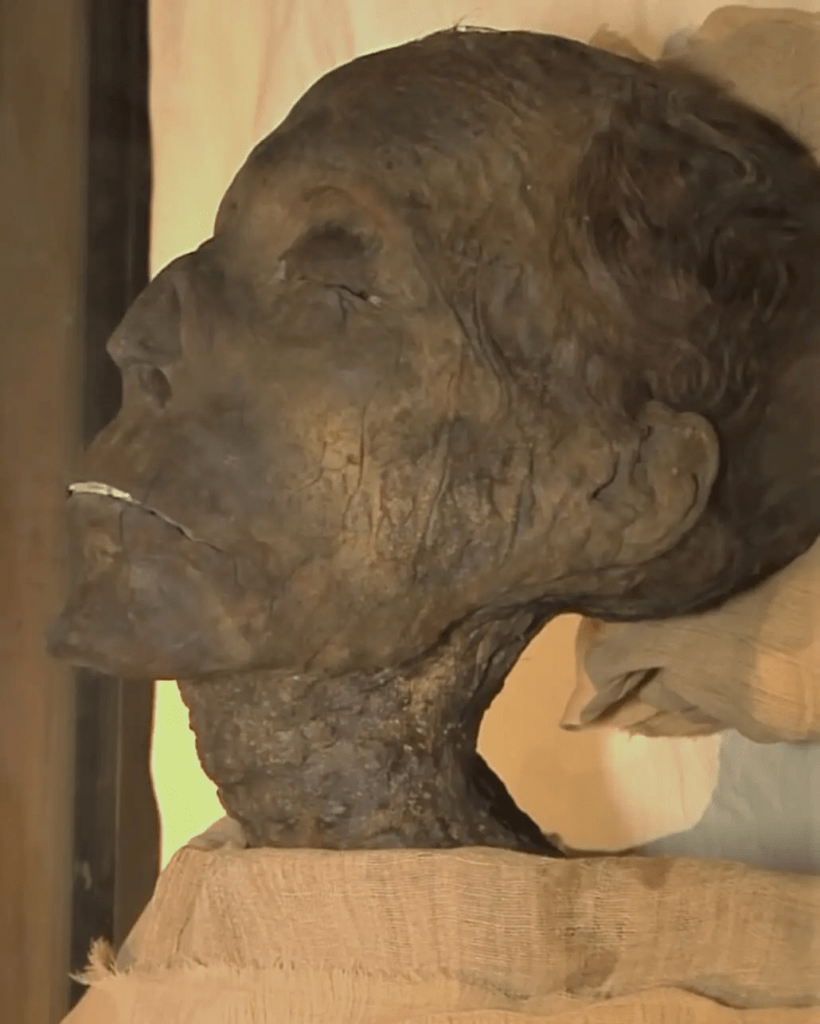
Link here
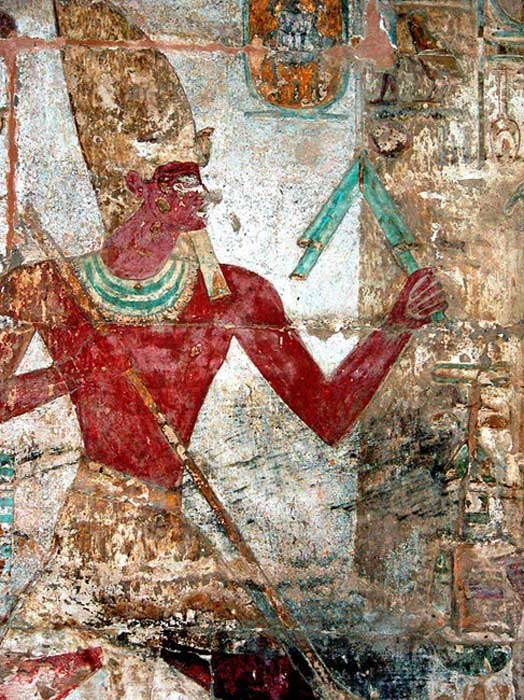

Link here

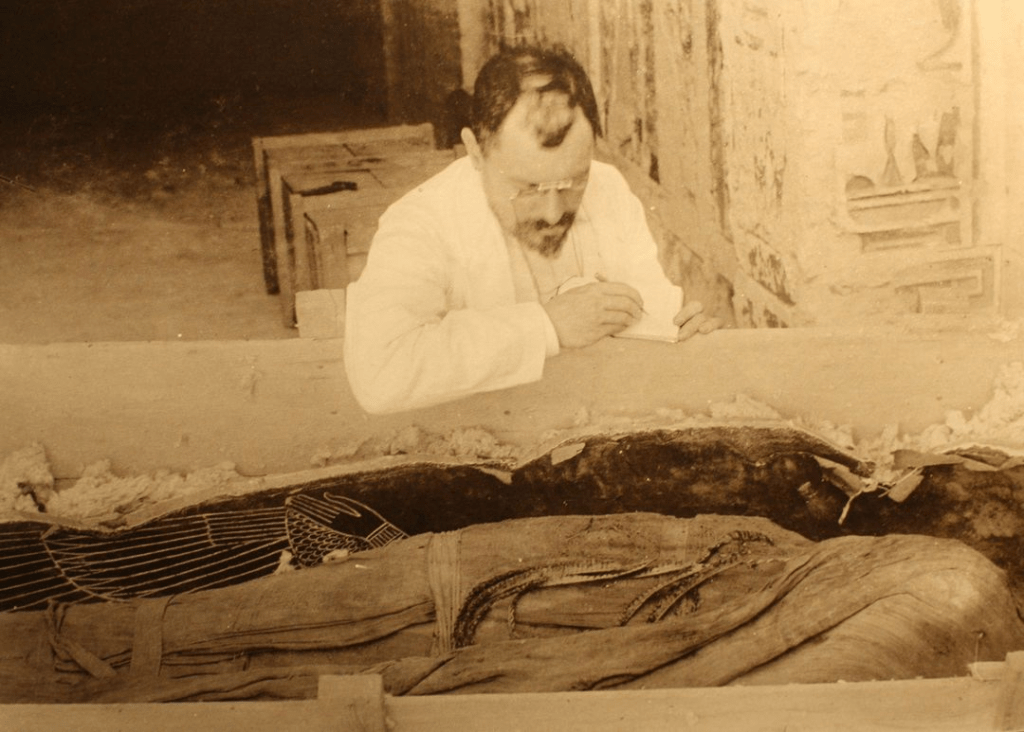
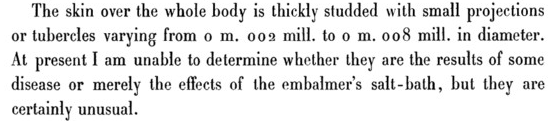
Smith’s full report here
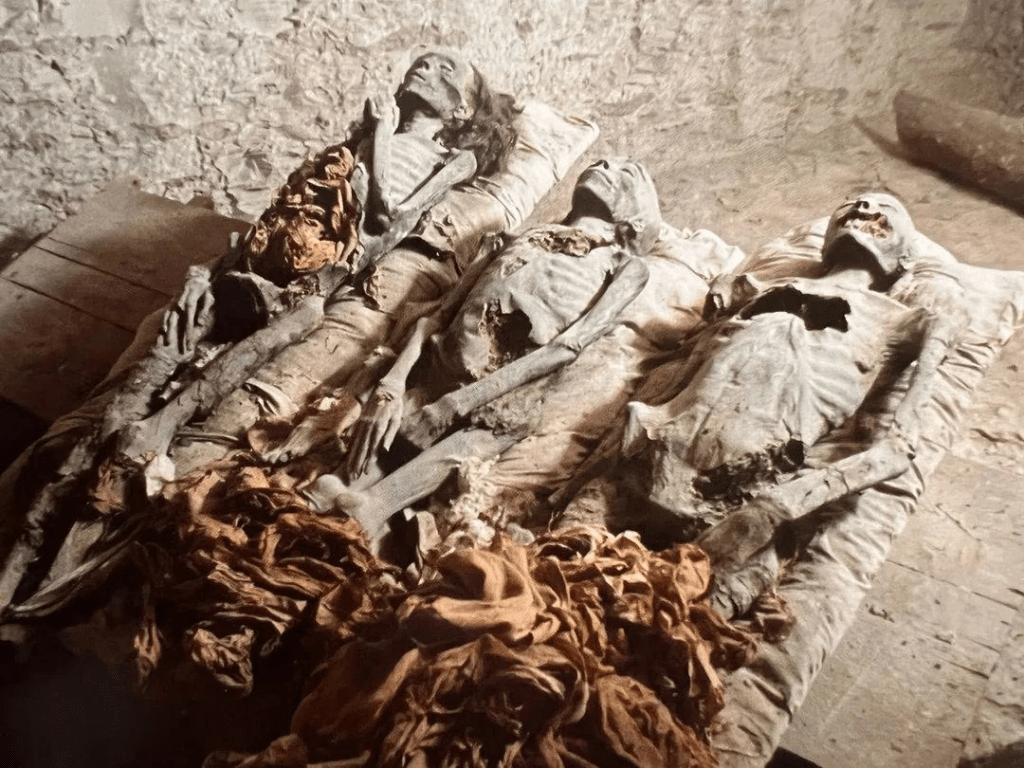
The three mummies of Pharaoh’s family found in his tomb: Amenhotep II’s wife on the left, daughter on the right, and son in the middle. Credit to TN_Egyptologist
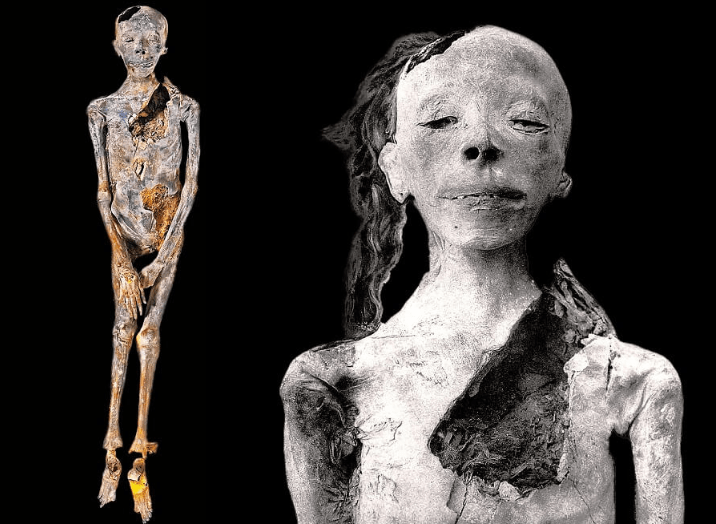
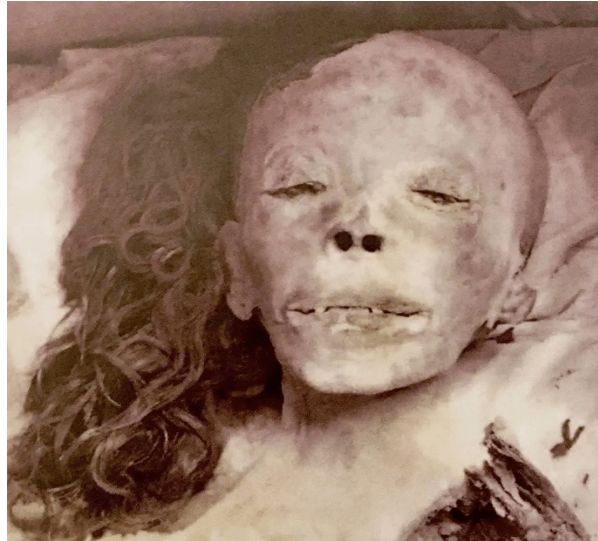
Link here
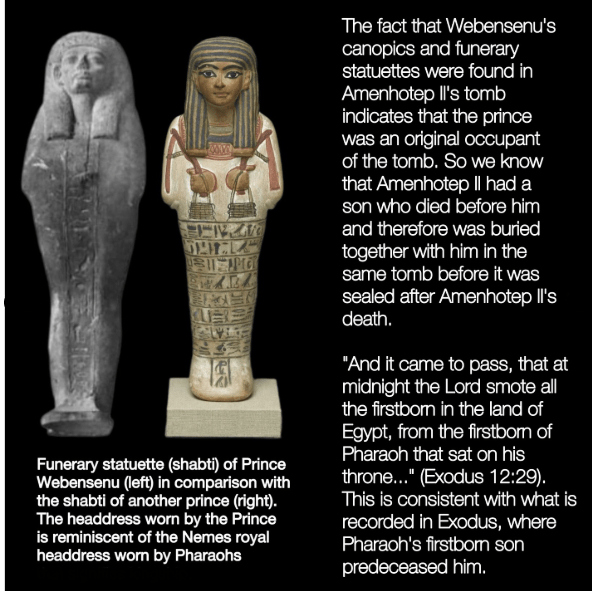
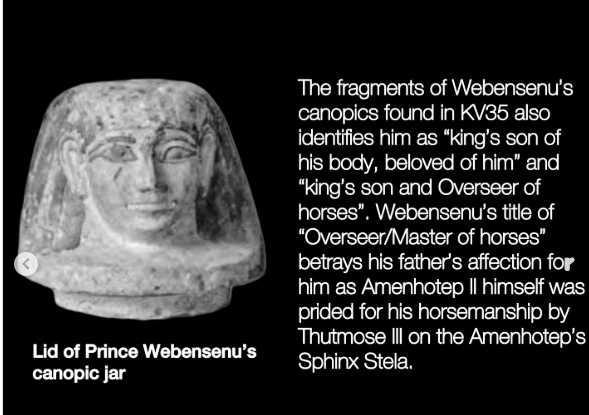
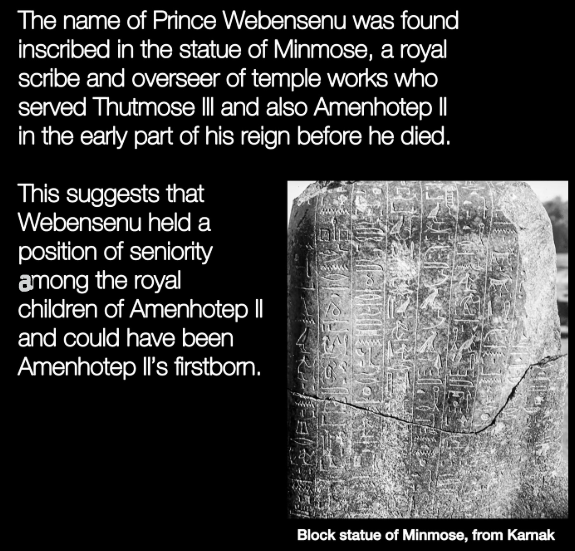
Credit here
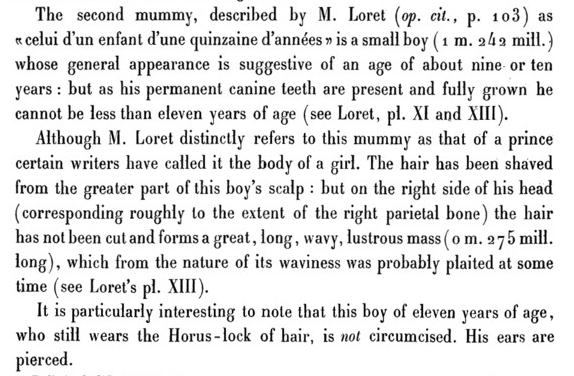
Smith’s full report here
The Soleb Inscription
When the Israelites left Egypt, according to the Bible, they wandered in the deserts as nomads for 40 years due to their lack of faith. Yet even in the desert, Jehovah (YHWH in Hebrew) was with them.
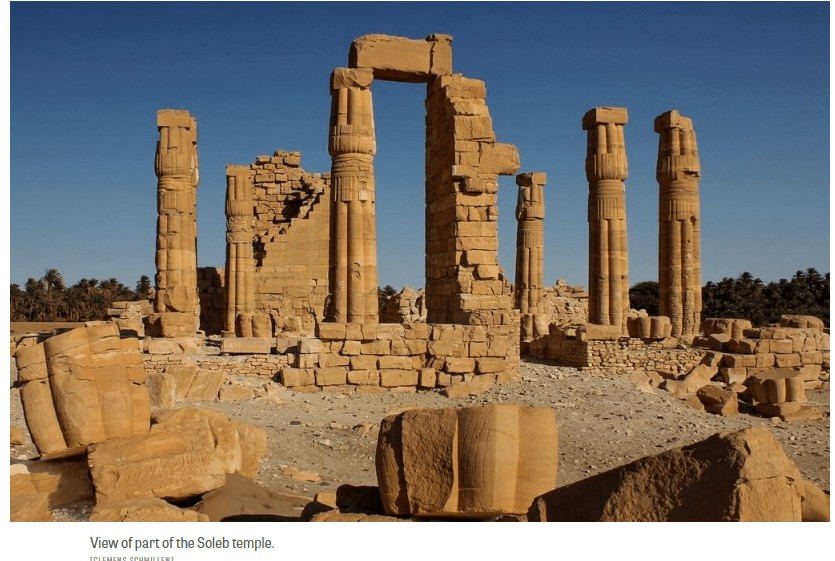
In 1813, the remains of an ancient Egyptian city on the west bank of the Nile River in northern Sudan. It remained undisturbed for nearly 150 years, and in the late 1950s, an archaeologist named Michaela Schiff Georgini began excavation of the site. What she found was the remains of a temple complex to honor the thirtieth year of Amenhotep III’s reign.
Within the temple remains were found pillars engraved with Amenhotep’s military conquests. While many of the great military successes cannot be corroborated with objective history and seem to most likely be based on political propaganda, the pillars do identify Egypt’s enemies in a way that seem to be accurate to the timeframe.
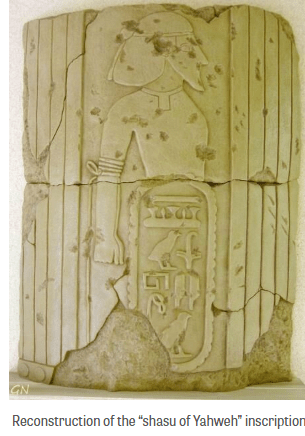
One of those pillars, which is dated to around 1396-1358 B.C., had heiroglyphs referring to an enemy, which was translated “The Shashu (The Land of the Nomads) of YHWE.”
Amenhotep III would have been the grandson of Amenhotep II, the Pharaoh of the Exodus (as seen above). As his father only reigned nine years, Amenhotep III would have been no stranger to the Hebrews, “the nomads of Yahweh.”
This is the earliest known reference to the God of the Bible.
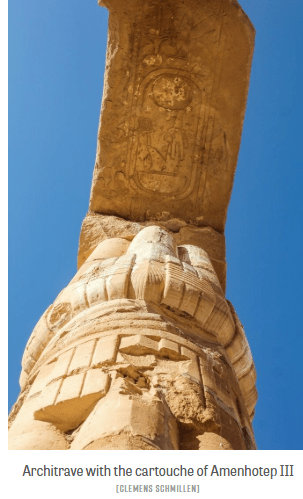
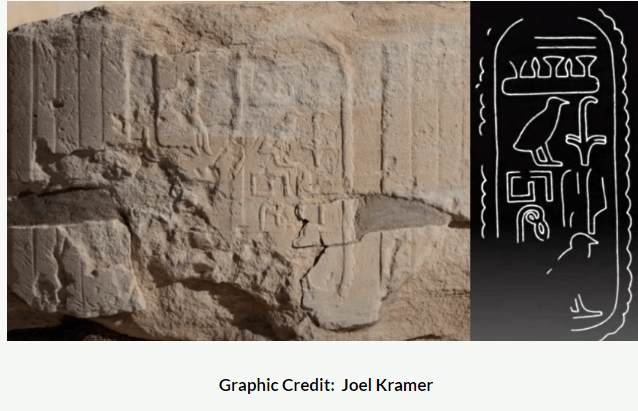
Damaged cartouche of “The Land of the Nomads of Yahweh”
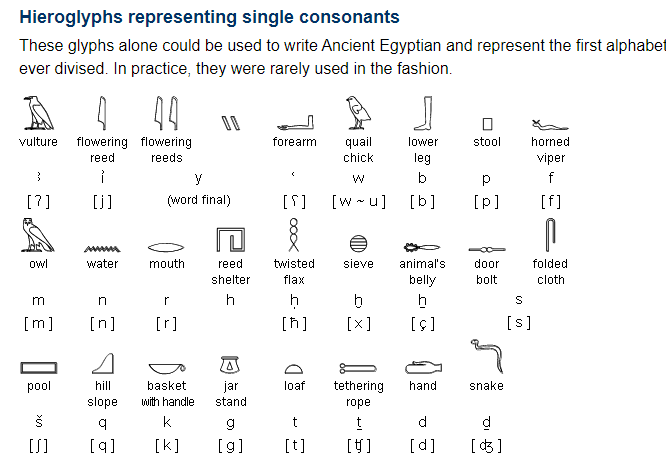
Egyptian phonetic alphabet:
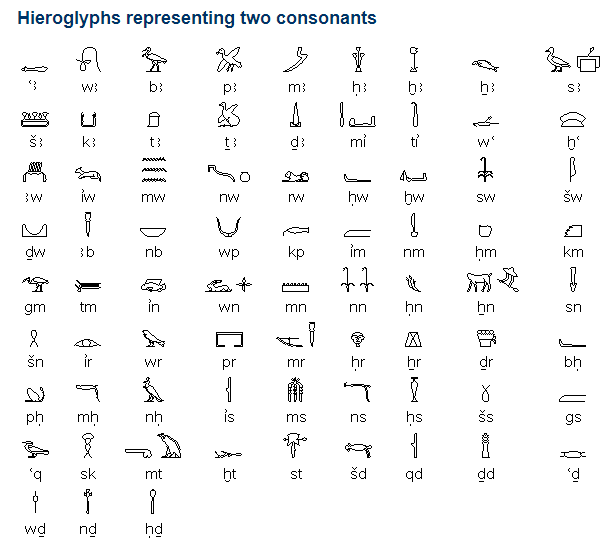
Link here
Inscription with phonetics:
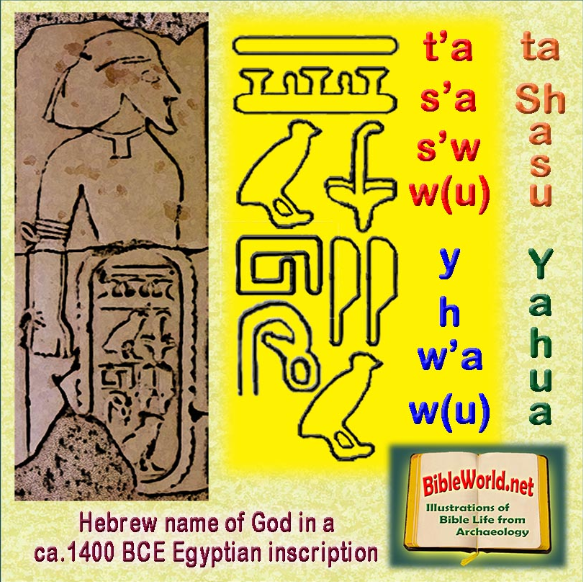
More information available at Cambridge University Press
The Mount Ebal Amulet
And when the Lord your God brings you into the land that you are entering to take possession of it, you shall set the blessing on Mount Gerizim and the curse on Mount Ebal.
(Deuteronomy 11:29)
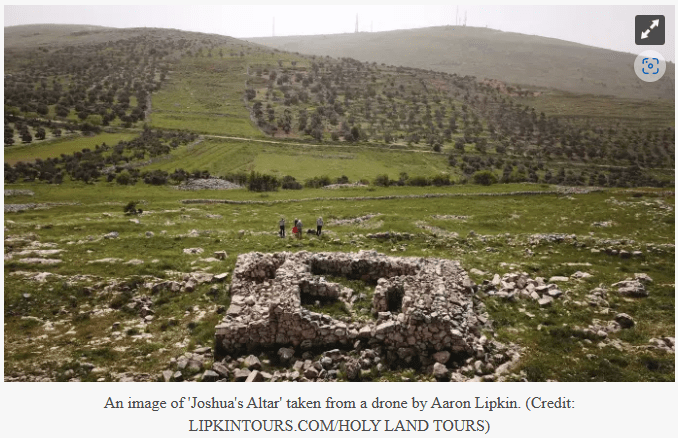
In Deuteronomy, Joshua built an altar “of unhewn stones” after the Battle of Ai. The stones were covered with plaster and the Law of Moses was inscribed onto them, the Israelites made peace offerings, and pronounced blessings and cursings as instructed.
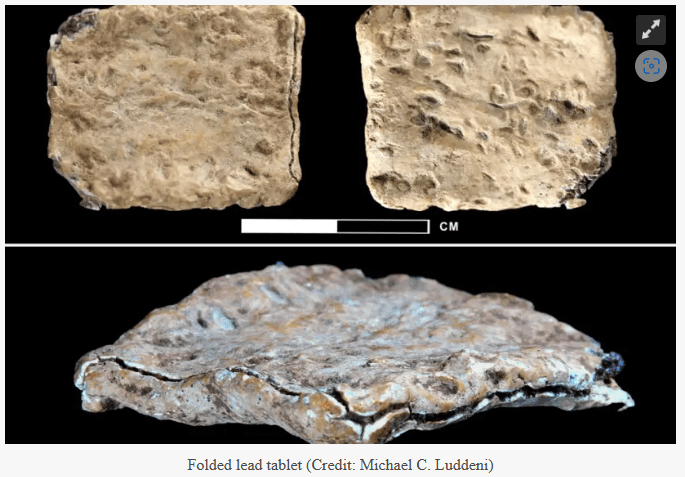
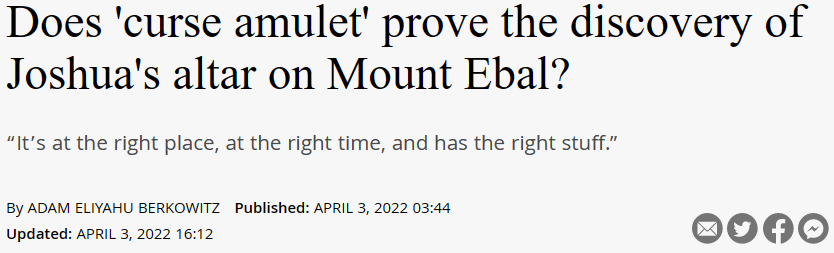
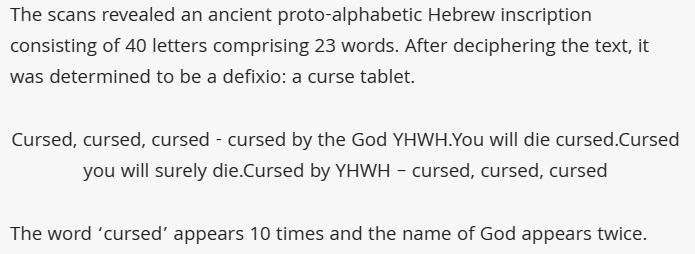
The Mount Ebal Amulet is a lead tablet determined to have been hewn from a Greek mine between 1550 and 1200 BCE, which would make it the earliest evidence of proto-Hebrew writing ever discovered. Up until the discovery of this amulet, the secular archaeological world did not believe that Hebrew script existed this early, let alone the name of Yahweh, the God of Israel, that was written on this tablet. It was discovered on Mount Ebal, near an ancient altar where stones covered in plaster were found, along with a metal stylus (as referred to as a method of writing in Job 19:24.)
The amulet contains 10 curses and mentions the name of “The God YWH” twice, confirming the record of Deuteronomy 27:2-24, where 10 curses were pronounced on those who acted in selfishness and rejected God or did harm to others. Those curses were to be placed on Mt. Ebal near the Altar, where the ones who broke the Law as described could present their sacrificial lamb to be forgiven. The blessings were placed on neighboring Mount Gerizim, away from the Altar, because no sacrifice is needed for those who don’t break the Law.
The significance today is that ALL of us have sinned (Romans 3:23), broken the Law, and have harmed others or acted out of selfishness. We are ALL under the curse… but that’s why Jesus came. He left His throne in Heaven, lived a perfect, sinless life, and then died at the hands of His own creation to be our Sacrificial Lamb and to set us free from the curse. God used physical examples of this process for thousands of years prior to Jesus coming to help His people understand!
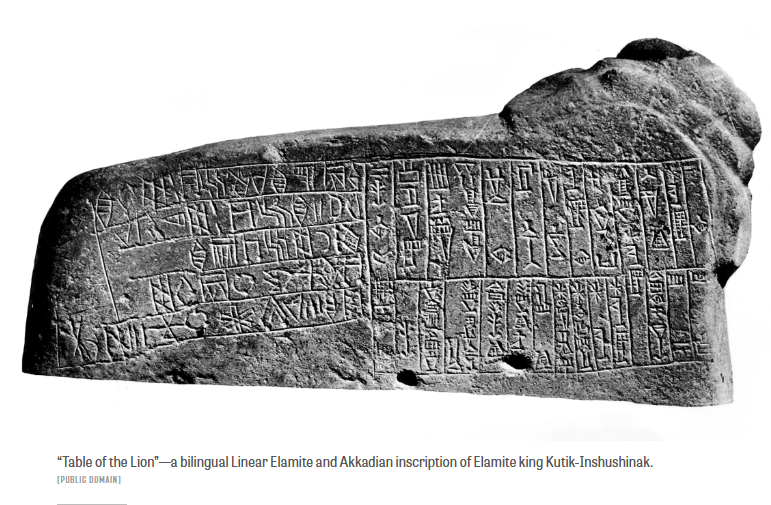
Linear Elamite Discovery: The Tower of Babel
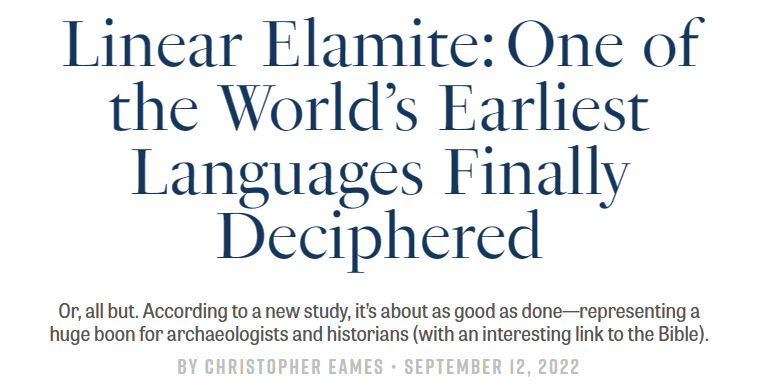
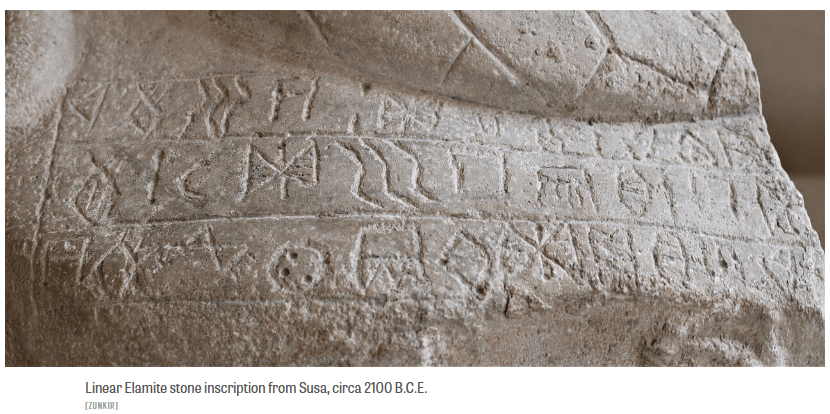
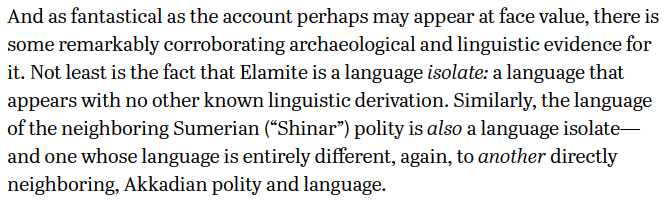
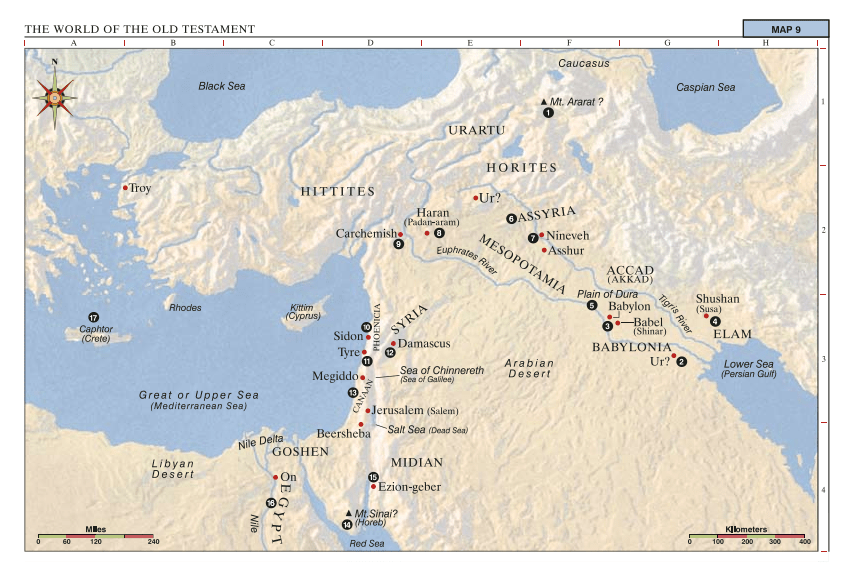
Tablets and artifacts from the region of Susa have been discovered that contain the language known as “Linear Elamite.” There has been great difficulty in deciphering it, because it is known as a “language isolate”- meaning there is no language on earth like it. What’s even more unusual is that its two neighboring languages, Sumerian (from the land of Shinar) and Akkadian (the land of Akkad) are both also language isolates. Languages today all seem to have a root language and some similarities with other languages from the same area or the area from which their conquerors came (i.e. English, Spanish, Italian, and Portuguese all are Latin-based and have some similar sounds and meanings). However, these ancient languages have no similarities whatsoever with those of the surrounding areas, although they all have written examples of their languages in use dating back to the same time period – 2200 BCE. It’s as if they all spontaneously appeared at that time- which happens to be the exact same time period in which the Tower of Babel incident would have taken place from the Bible!
“Nimrod…was a mighty hunter before the Lord… And the beginning of his kingdom was Babel, and Erech, and Akkad, and Calneh, in the land of Shinar….And the whole earth was of one language, and of one speech. … And they said: ‘Come, let us build us a city, and a tower, with its top in heaven, and let us make us a name; lest we be scattered abroad upon the face of the whole earth.” Genesis 10:10, 11:1,4.
In a book called Antiquities of the Jews, Flavius Josephus, a well-known secular Jewish historian, wrote this:
“Now it was Nimrod who excited them to such an affront and contempt of God. … He also said he would be revenged on God, if he should have a mind to drown the world again; for that he would build a tower too high for the waters to be able to reach! and that he would avenge himself on God for destroying their forefathers!“
Genesis 11:7-9 then states,
“And the Lord said, Behold, the people is one, and they have all one language; and this they begin to do: and now nothing will be restrained from them, which they have imagined to do. Go to, let us go down, and there confound their language, that they may not understand one another’s speech. So the Lord scattered them abroad from thence upon the face of all the earth: and they left off to build the city. Therefore is the name of it called Babel; because the Lord did there confound the language of all the earth: and from thence did the Lord scatter them abroad upon the face of all the earth.”
As it is written, the archaeological evidence indicates the emergence of multiple strange languages, all at the same time, in the surrounding regions of Shinar – exactly where God confused the languages of the earth to prevent wickedness from spreading and corrupting the whole earth faster. He had already promised He would never flood the earth again (Genesis 9:15), He’d done so the one time “because all the thoughts of men were only evil continually,” Genesis 6:5. But although their direct ancestors were spared from the Flood, the people in the land of Shinar (modern day Babylon) set out to make themselves great and save themselves, instead of getting to know the only God who could keep them from the same wickedness that condemned those who died in the Flood.
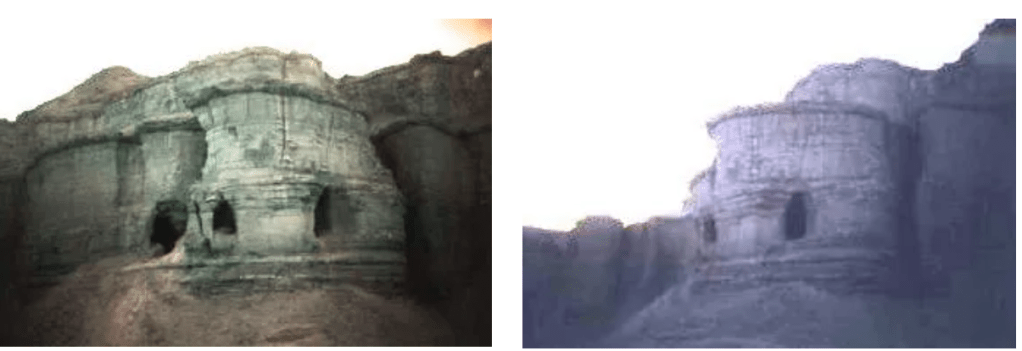
Sodom and Gomorrah Brimstone
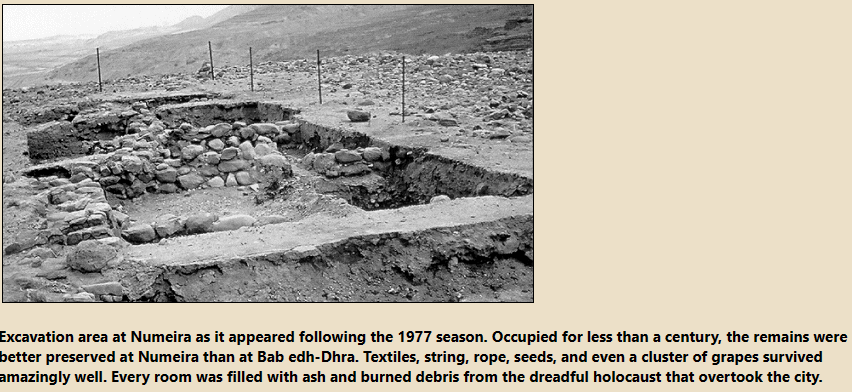
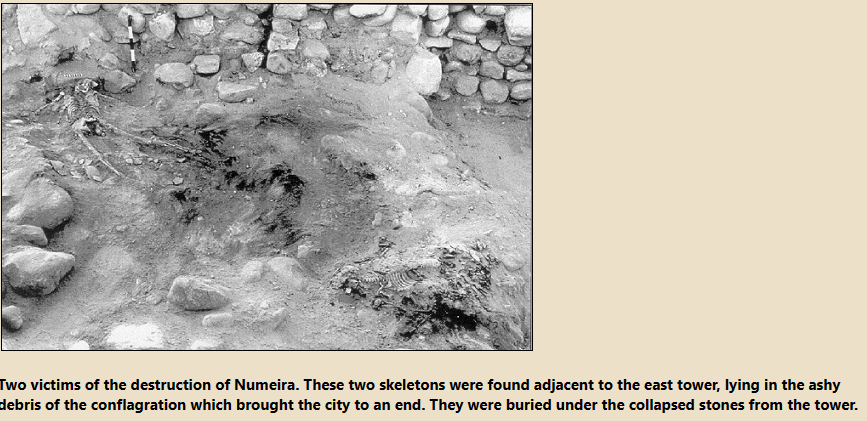
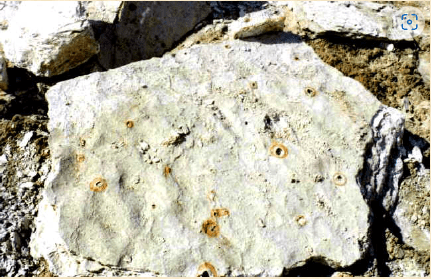
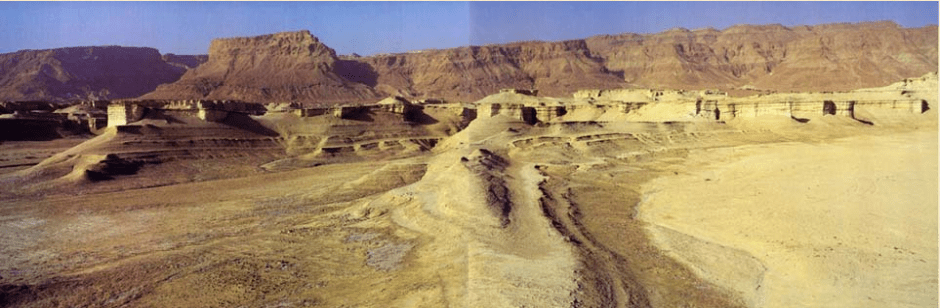
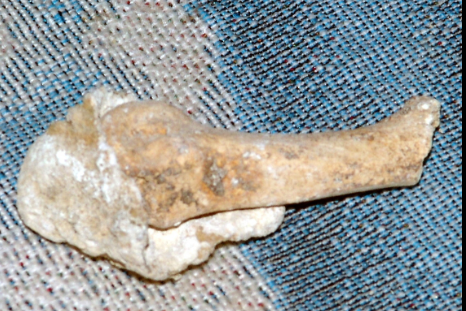
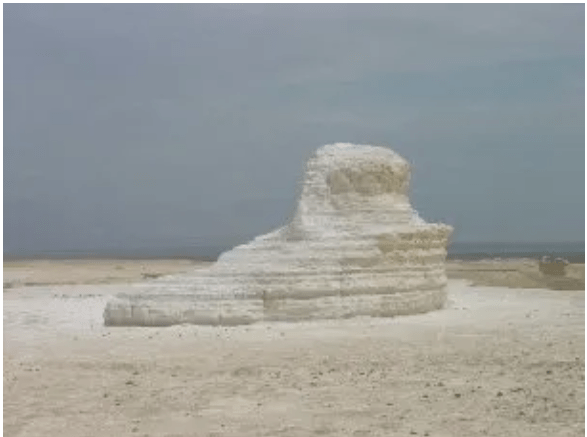
Just as written in the Biblical account, there are five ancient cities near ancient Zoar (Genesis 13:10) where all that’s left is ruins of dust, salt, and sulfur. The balls of sulfur that were found were tested and found to be 98% pure sulfur, while sulfur found in its natural form is only 40-45% pure. At the edge of the five cities, as one visitor accounts: “…the white ash suddenly stops, bearing witness that this was no random act of nature. In contrast to the white ruins, the surrounding mountains and desert floor are brown limestone.” He says that to this day, one can put a sulfur ball up to a flema and it will
We are told in the Bible exactly what happened to these cities, and what’s left of them is predicted as well:
“But the men of Sodom were wicked and sinners before the LORD exceedingly.” (Genesis 13:13 KJV)
“Then the LORD rained upon Sodom and upon Gomorrah brimstone and fire from the LORD out of heaven;” (Genesis 19:24 KJV)
“And he looked toward Sodom and Gomorrah, and toward all the land of the plain, and beheld, and, lo, the smoke of the country went up as the smoke of a furnace.” (Genesis 19:28 KJV)
“And that the whole land thereof is brimstone, and salt, and burning, that it is not sown, nor beareth, nor any grass groweth therein, like the overthrow of Sodom, and Gomorrah, Admah, and Zeboim, which the LORD overthrew in his anger, and in his wrath” (Deu 29:23 KJV)
God destroyed these cities after giving warning after warning, it was found that there was not one righteous person left in them (Genesis 18:16-33), and their men wanted to rape the male angels that came to save Lot (Genesis 19:1-38). This stands as a warning for our time that God will keep His promises – He’s given us a similar warning for the end of time.

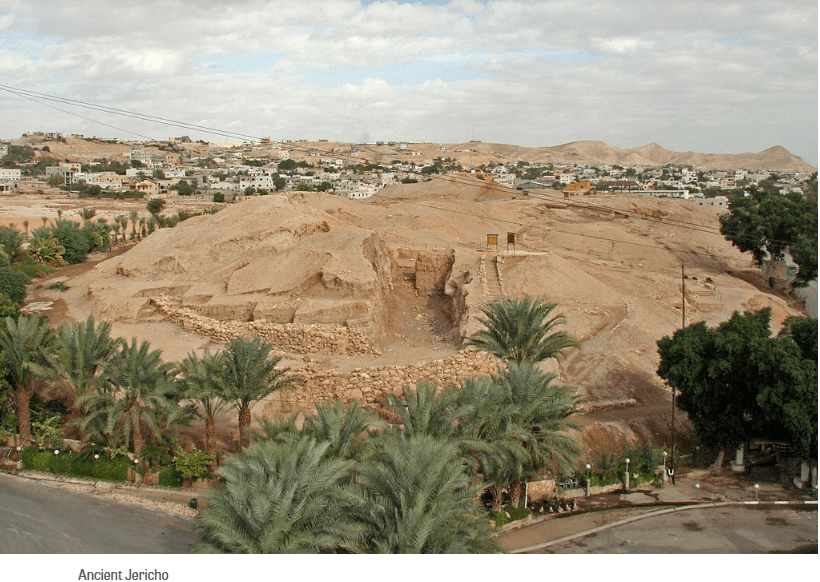
Ancient Jericho
Excavations have taken place at a large mound of ruins in Tel Es-Sultan in the West Bank of Palestine. Situated about 15 miles east of Jerusalem, about 900 feet below sea level, it’s the lowest city in the world. It is a UNESCO World Heritage Site due to its historical significance.
What has been discovered in the area is perfectly in harmony with the Scriptures’ detailed account of the overtaking of the city by the Isralites, including:
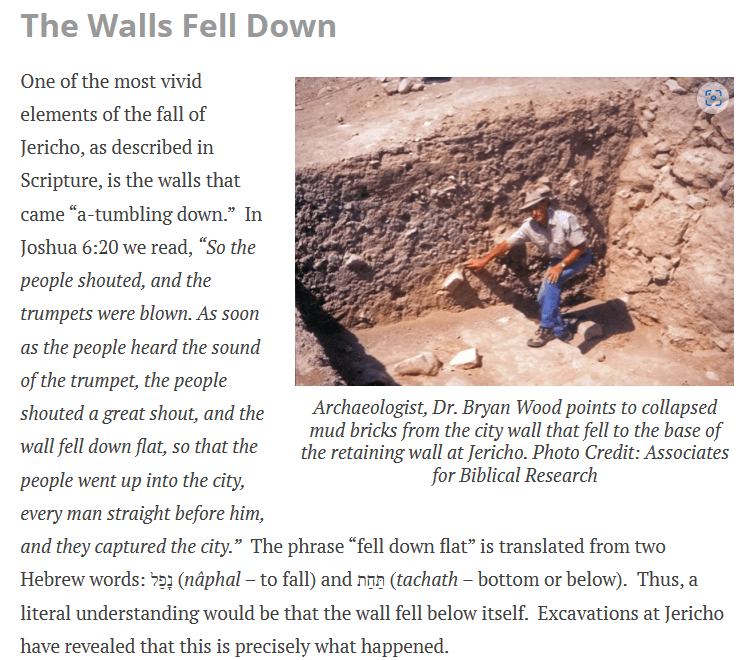
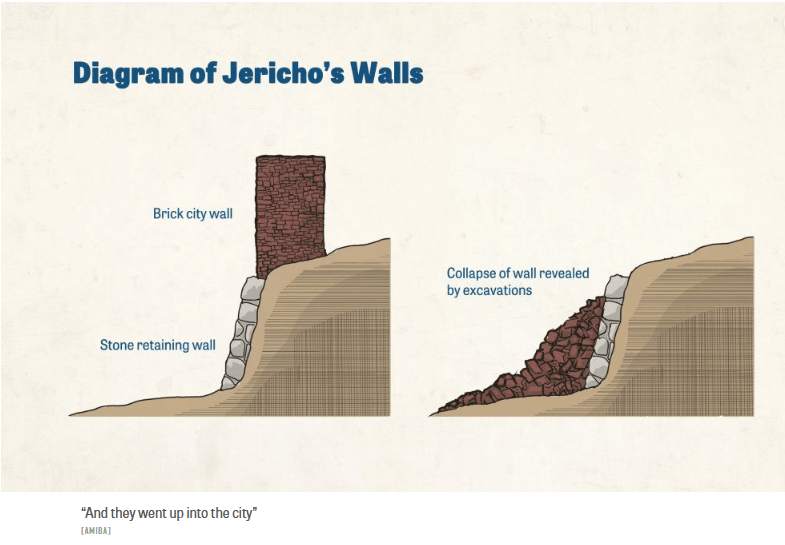
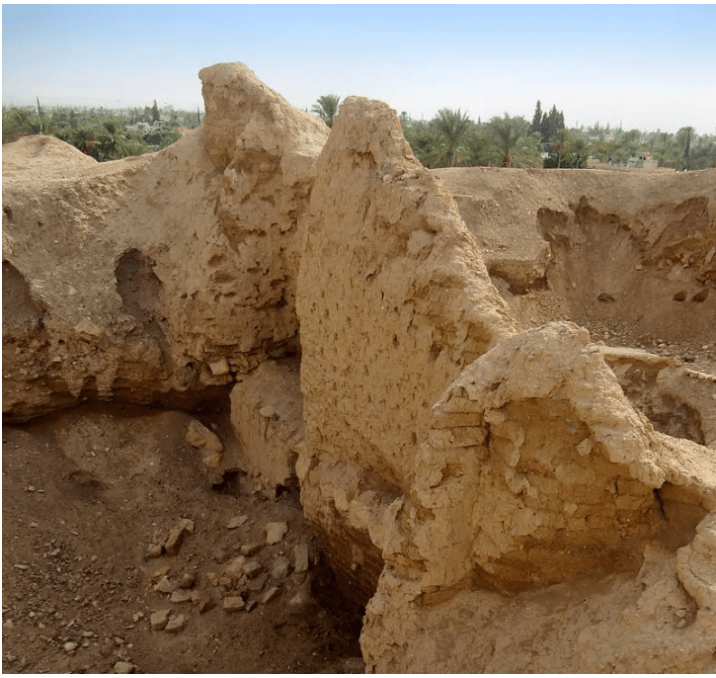
- evidence that the walls fell outward (Joshua 6:20) and created a natural ramp up the retaining wall, by which the Israelites could “go up into the city,” (Joshua 6:22)
- walls that were hollow in which people lived (“she [Rahab] lived in the wall” – Joshua 2:15)
- a portion of wall that had not collapsed, where Rahab the prostitute most likely lived – she and her family were spared by God (Joshua 2:1-15)
- a burn layer that occurred after the walls had fallen (“and they burned the city with fire, and everything in it” – Joshua 6:24)
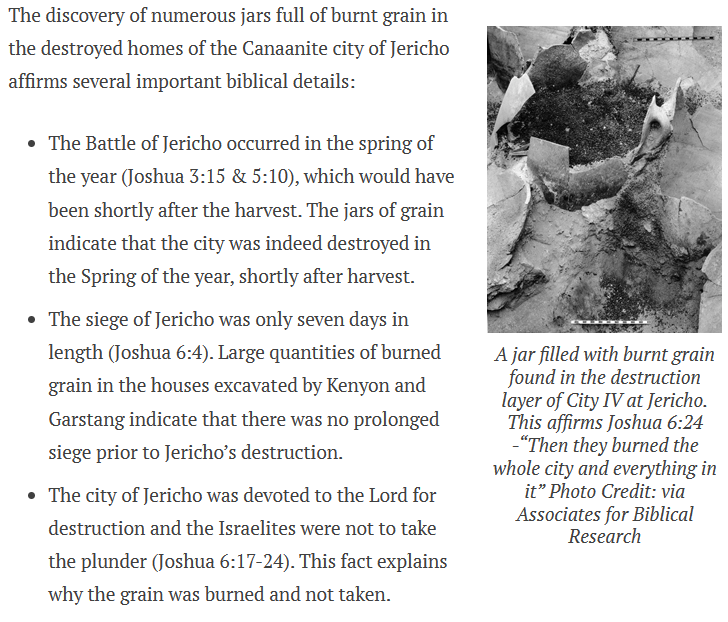
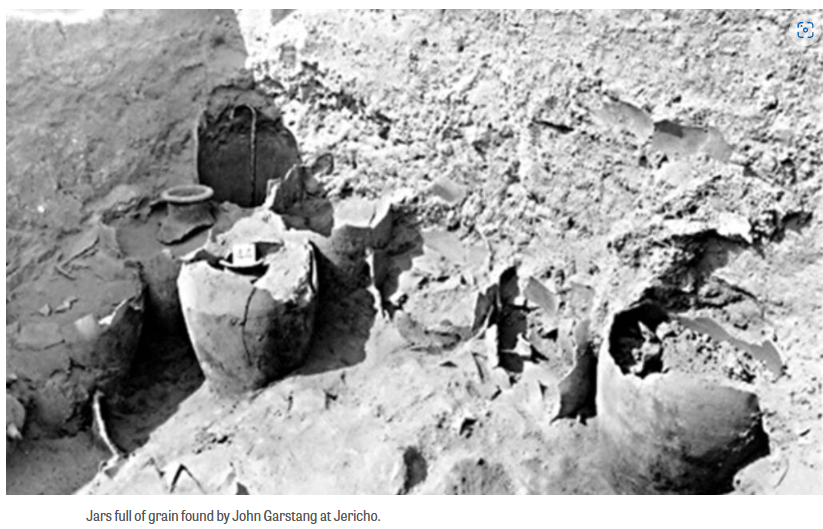
- burned barley was discovered, confirming there was no prolonged siege prior to the destruction, it happened shortly after harvest (the Bible identifies it happened in Spring of the year, shortly after harvest), and the grain was burned and not plundered although it was an important resource, because God had commanded the Israelites not to take anything (Joshua 16:17-24)
- in Joshua 6:26 God cursed anyone who would attempt to rebuild the site. Although Jericho has been rebuilt in general, what has been inhabited is the area surrounding the original ancient city mound – not the mound itself, as we see in pictures today.

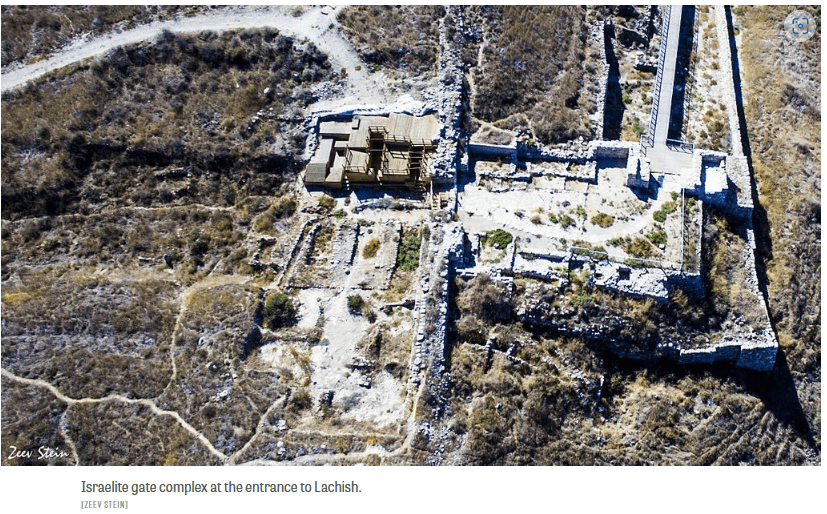
Tel Lachish and the Toilet Seat
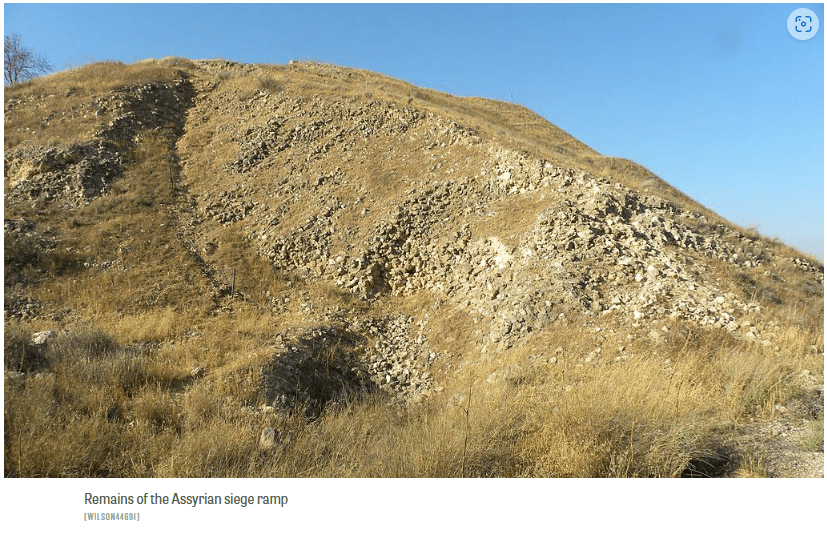
Since the 1930s, excavations have been taking place at Tel Lachish that prove the historicity of the Bible on multiple accounts.
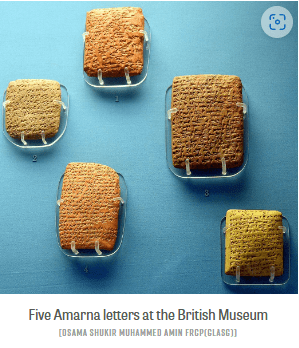
The archaeological record supports the fact that the city was inhabited by Canaanites until it was overthrown by Gibeon and the Israelites. The leaders of Canaan sent letters to Egypt, which have been discovered and are referred to as The Amarna Letters, and these letters detail specifically the concern over the advancement of the “Habiru” people (strikingly similar to “Hebrew” people), asking for help from the Egyptians. Excavations have revealed that during the time period closely following the writings of these letters, Lachish was utterly destroyed, and much of it was burned to the ground – just as Joshua 10:31-35 describes.
During the tenth to ninth centuries BCE, Tel Lachish was rebuilt – according to the archaeological evidence. This just happens to correspond perfectly with the Biblical account of King Solomon’s son Rehoboam rebuilding it:
“And Rehoboam dwelt in Jerusalem, and built cities for defence in Judah. He built [a list of cities] and Lachish …” 2 Chronicles 11:5-6.
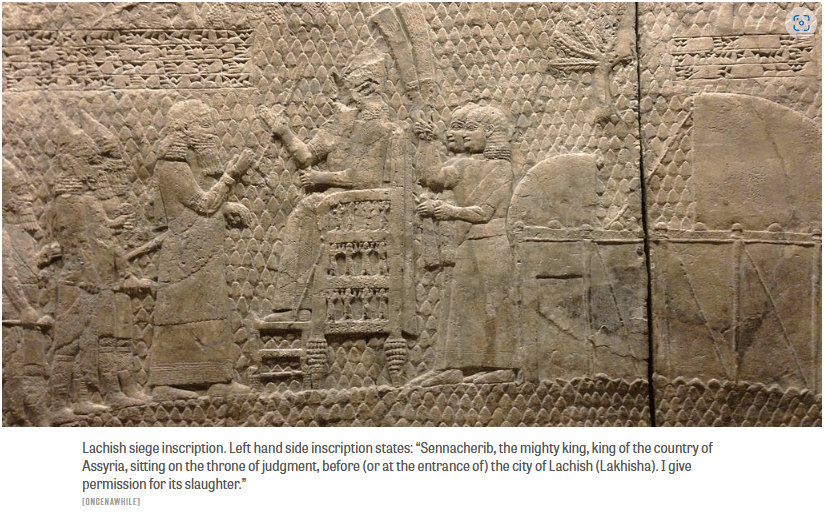
The back-and-forth of the possession of Lachish by Judah, then the Assyrians, then Judah, and then Babylonians, as relayed in the Bible, is a story well-told by archaeological finds that line up perfectly with the Biblical account. For more detail, click here.
Perhaps one of the most exciting finds of all in this area is the discovery of a perfectly preserved, apparently unused toilet seat perched in the corner of an ancient pagan temple. This directly corroborates the Biblical description which states:
“Then they demolished the pillar of Baal, and destroyed the temple of Baal, and made it a latrine to this day” (2 Kings 10:27).
Also found were smashed altar horns from the altar of the pagan gods – a deeply symbolic act done to punish and eliminate sin. (see Amos 3:14)

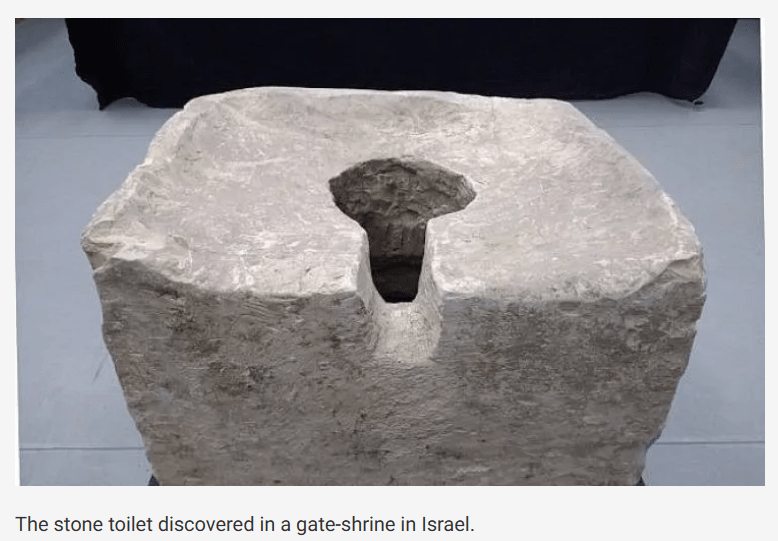
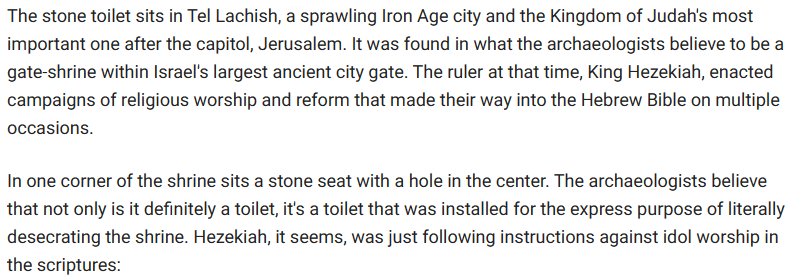

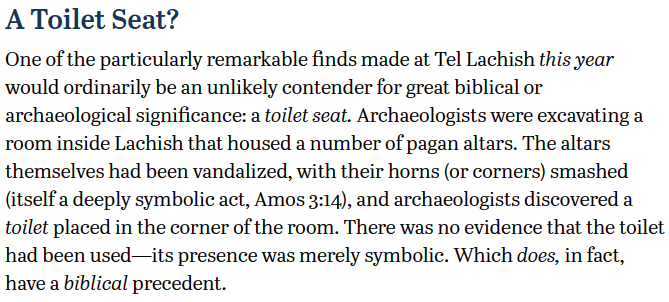
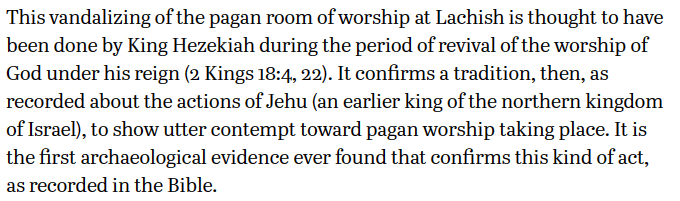





King Uzziah’s Earthquake
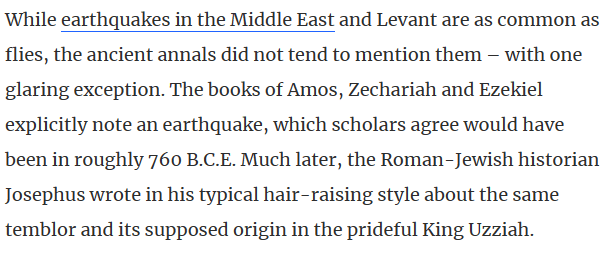
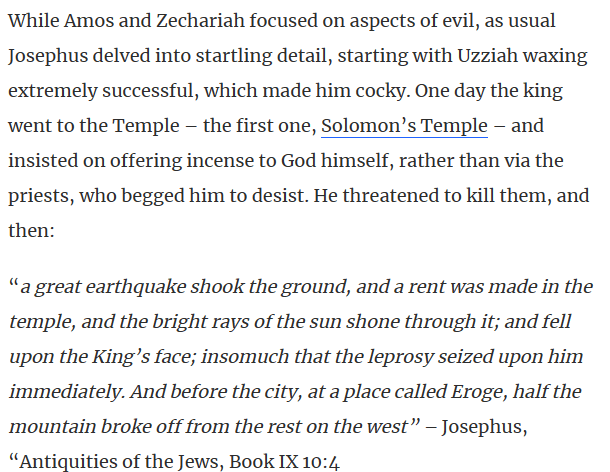
“…in the days of Uzziah king of Judah, and in the days of Jeroboam the son of Joash king of Israel, two years before the earthquake…” Amos 1:1
“ye shall flee, like as ye fled from before the earthquake in the days of Uzziah king of Judah.”
The books of Amos, Zechariah, and Ezekiel mention a large earthquake that took place in Jerusalem and all the surrounding areas. In Amos, the prophet writes in past-tense declaring that the Lord had given him a message two years before the earthquake, saying:
“Thus says the LORD: “For three transgressions of Damascus, and for four, I will not turn away its punishment…” Amos 1:3
As Amos continues, surrounding countries are mentioned in like manner for their evil to one another – God is warning of His coming judgments. He phrases it as “for three…and for four…”, as though there are two punishments coming for separate halves of transgression.
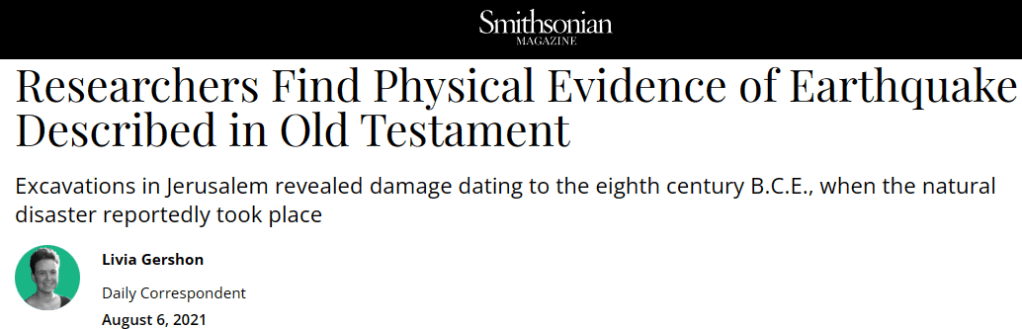
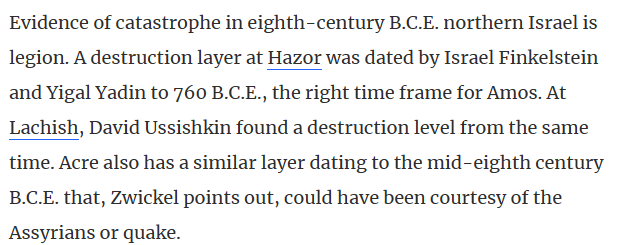
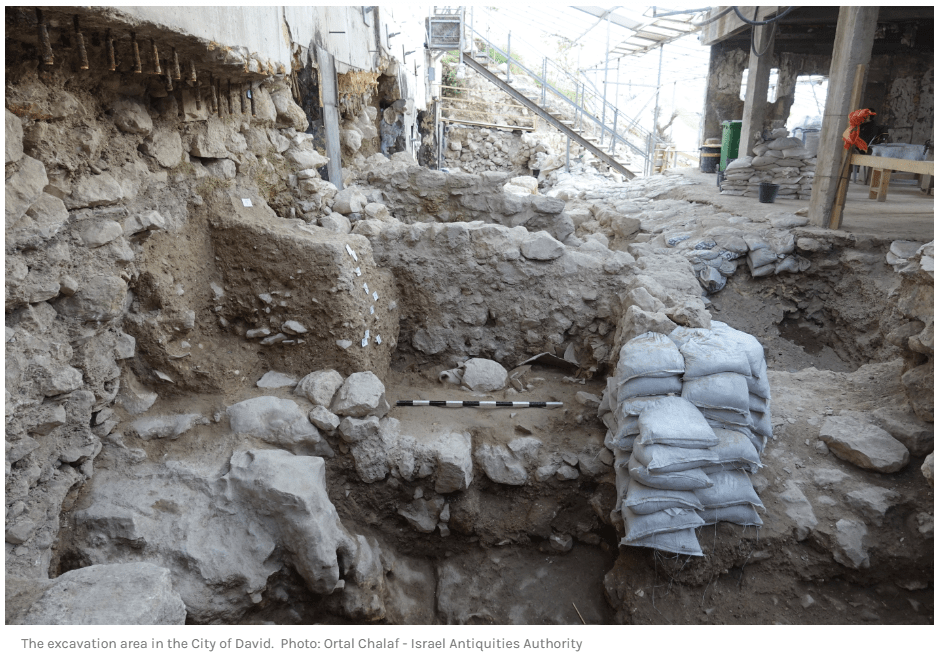
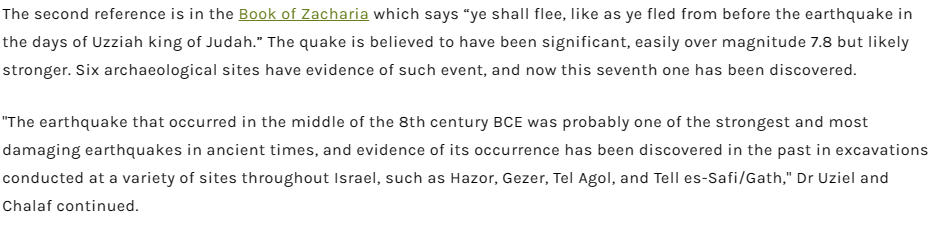
There is ample evidence of a major earthquake in Jerusalem and the surrounding areas during the exact years that Uzziah was in power, just as mentioned in the Bible, and evidence even supports the possibility that there may have been a second earthquake decades after the first in the exact same region – a second, identical punishment.
While these references in the Bible were clearly written after-the-fact, the evidence proves the historicity of the Bible in that it identified the exact timeframe the earthquake would have hit, and archaeology has come to the exact same conclusion based on the evidence alone.




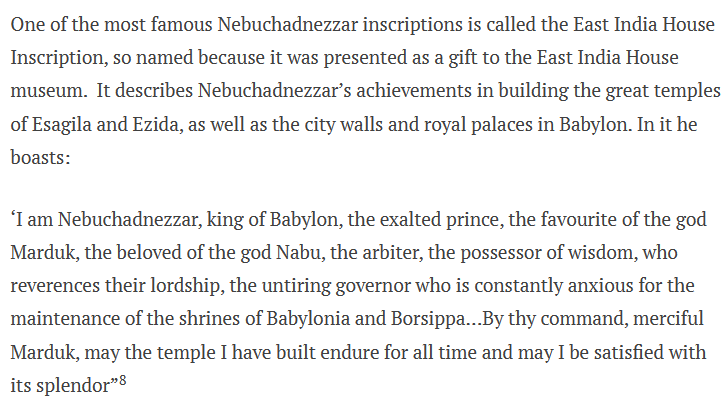
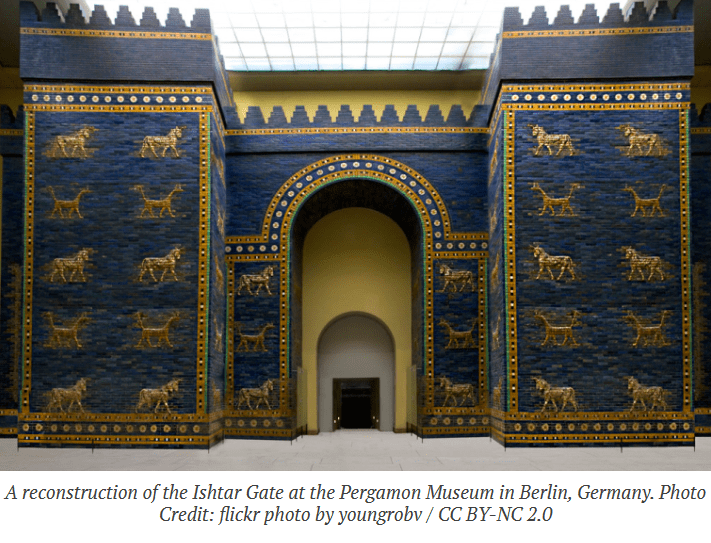
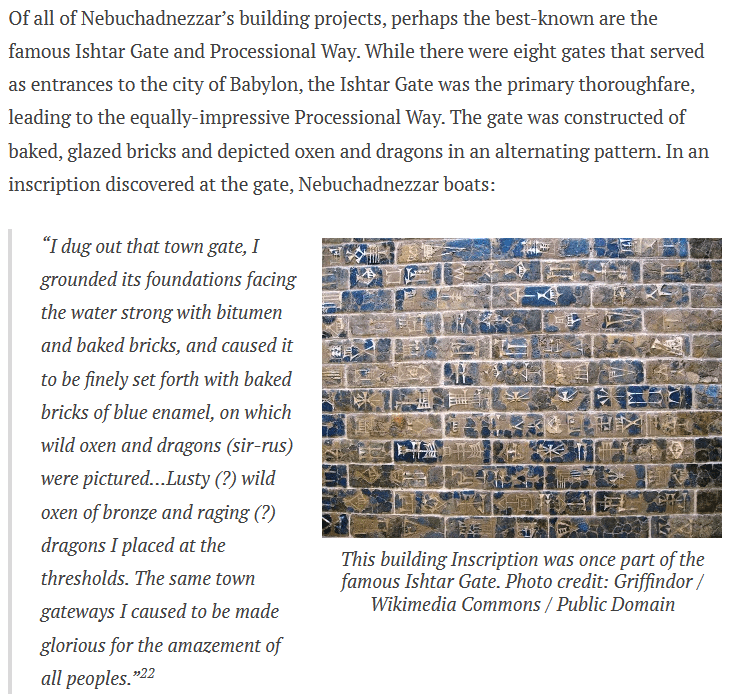
Babylon and The East India House Inscription
There is extensive documentation of the reign of Nebuchadnezzar in Babylon and his pride over the city, the capture of Jerusalem and the temples he built for his god Marduk – all of which coincides perfectly with the Bible’s account.
“And the Lord gave Jehoiakim king of Judah into his hand, with some of the vessels of the house of God. And he brought them to the land of Shinar, to the house of his god, and placed the vessels in the treasury of his god. (Dan 1:2)
“…the king answered and said, “Is not this great Babylon, which I have built by my mighty power as a royal residence and for the glory of my majesty?” (Dan 4:30)
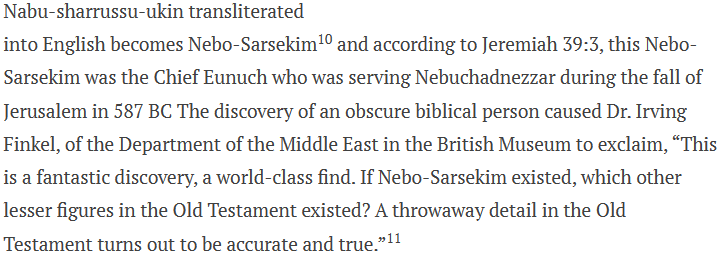
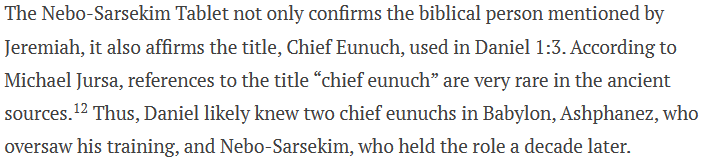
The Nebo-Sarsechim Tablet
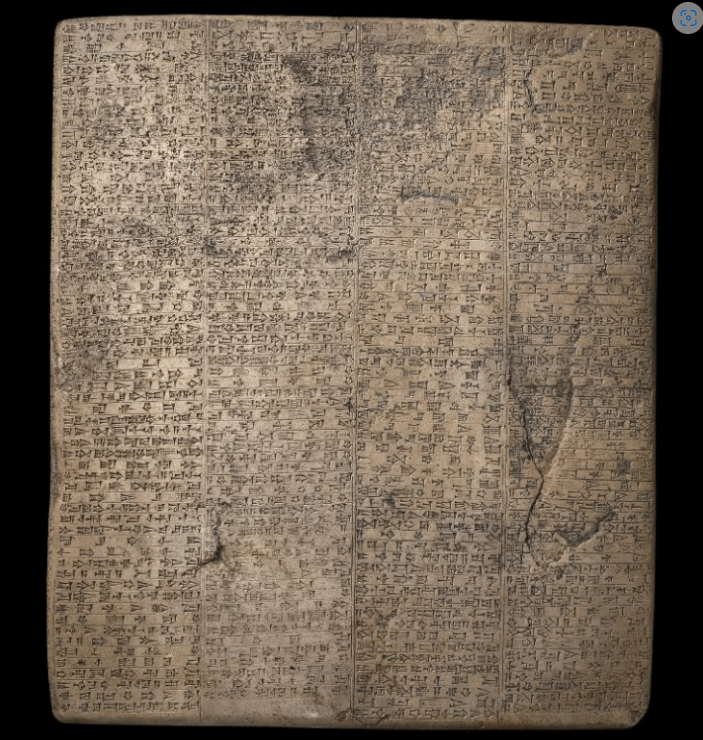
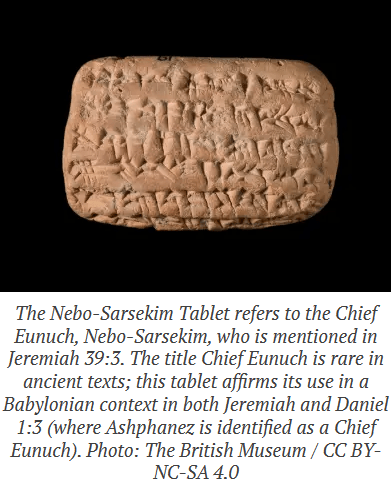
“Then all the princes of the king of Babylon came in and sat in the Middle Gate: Nergal-Sharezer, Samgar-Nebo, Sarsechim, Rabsaris, Nergal-Sarezer, Rabmag, with the rest of the princes of the king of Babylon.” Jeremiah 39:3
“The chief of the eunuchs gave them names: Daniel he called Belteshazzar [the king’s attendant], Hananiah he called Shadrach, Mishael he called Meshach, and Azariah he called Abednego.” Daniel 1:7-8
The Babylonian Chronicles
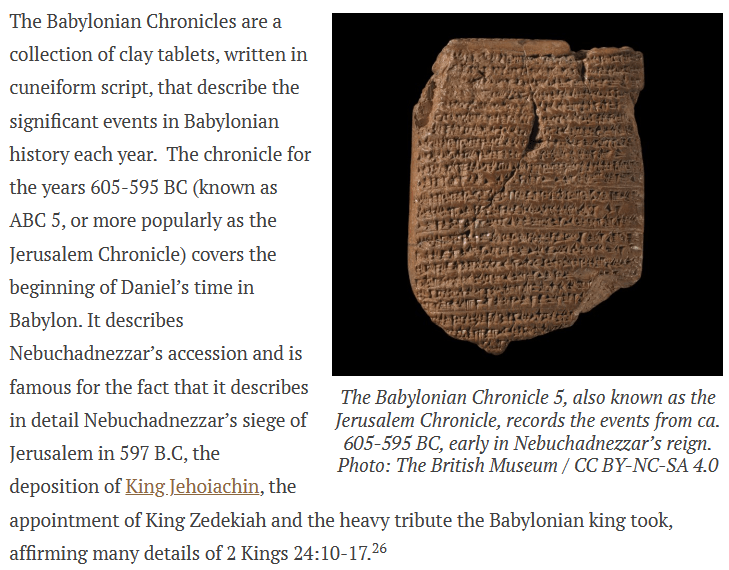
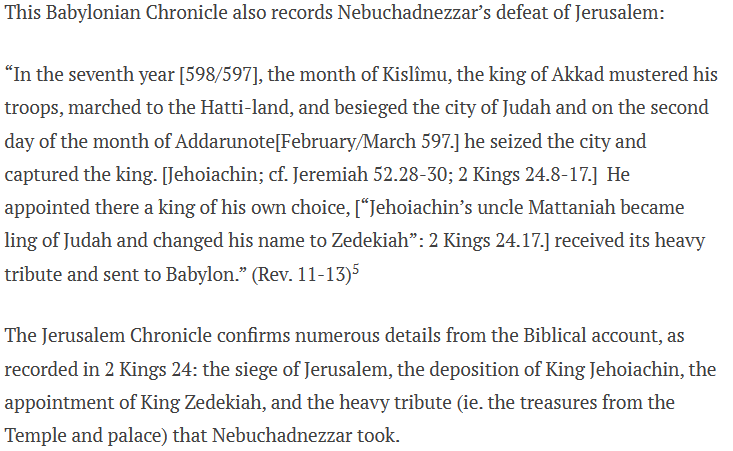
The Babylonian Chronicles (otherwise known as the Jerusalem Chronicles) document by Nebuchadnezzar’s point of view the fall of Jerusalem to Babylon, and the capture of King Zedekiah, exactly as illustrated in the Bible:
“Now it came to pass in the ninth year of his reign, in the tenth month, on the tenth day of the month, that Nebuchadnezzar king of Babylon and all his army came against Jerusalem and encamped against it; and they built a siege wall against it all around. So the city was besieged until the eleventh year of King Zedekiah. By the ninth day of the fourth month the famine had become so severe in the city that there was no food for the people of the land...So they took the king and brought him up to the king of Babylon at Riblah, and they pronounced judgment on him.” 2 Kings 25:1-3, 5














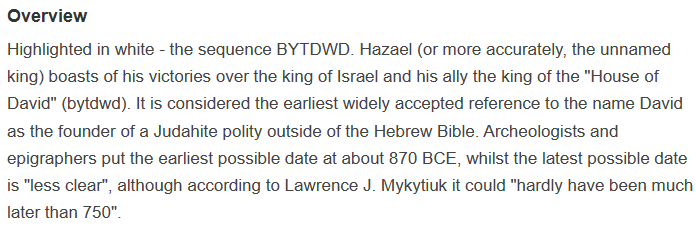
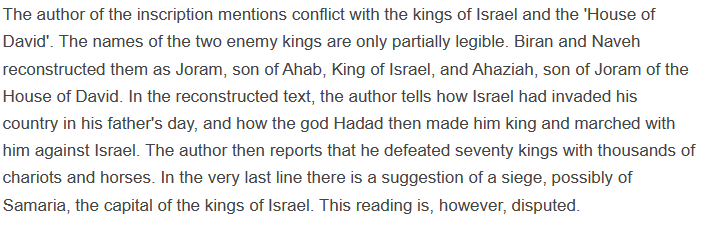
The Tel Dan Stela
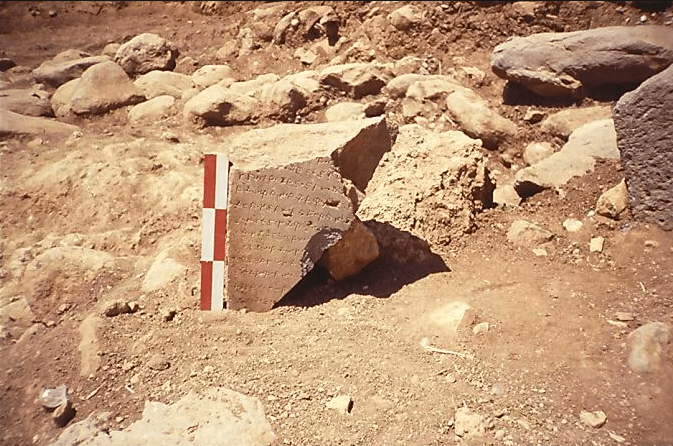
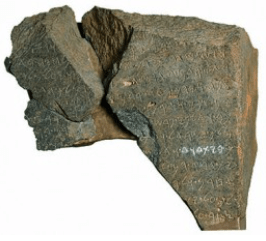
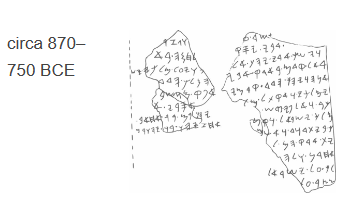
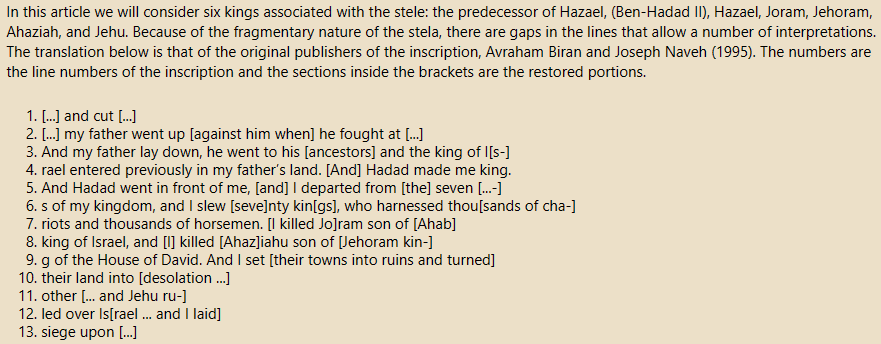
In 1993, archaeologists discovered a large stone tablet at Tel Dan in Northern Israel. It was broken in places and missing areas, but in 1994, archaeologists discovered two additional pieces and were able to fit them together with the original stone.
The tablet appears to be a monument that was written to celebrate the victory of a Syrian king over Israel and Judah. It was dated to have been inscribed between 850-750 BCE, at the exact time Israel would have been at war with Syria (beginning at the time of David, 1000 BCE, continuing for 300 years until 700 BCE).
The tablet names specifically eight kings that are also mentioned in the Bible to be contemporaries of the battle described. The Bible says this:
“In the twenty-third year of Joash the son of Ahaziah, king of Judah, Jehoahaz the son of Jehu became king over Israel in Samaria, and reigned seventeen years. And he did evil in the sight of the Lord, and followed the sins of Jeroboam the son of Nebat, who had made Israel sin…
Then the anger of the Lord was aroused against Israel, and He delivered them into the hand of Hazael king of Syria, and into the hand of Ben-Hadad the son of Hazael, all their days. So Jehoahaz pleaded with the Lord, and the Lord listened to him; for He saw the oppression of Israel, because the king of Syria oppressed them. Then the Lord gave Israel a deliverer, so that they escaped from under the hand of the Syrians; and the children of Israel dwelt in their tents as before.
Nevertheless they did not depart from the sins of the house of Jeroboam, who had made Israel sin, but walked in them… For He left of the army of Jehoahaz only fifty horsemen, ten chariots, and ten thousand foot soldiers; for the king of Syria had destroyed them and made them like the dust at threshing.
And Hazael king of Syria oppressed Israel all the days of Jehoahaz. 23 But the Lord was gracious to them, had compassion on them, and regarded them, because of His covenant with Abraham, Isaac, and Jacob, and would not yet destroy them or cast them from His presence.
Now Hazael king of Syria died. Then Ben-Hadad his son reigned in his place. And Jehoash the son of Jehoahaz recaptured from the hand of Ben-Hadad, the son of Hazael, the cities which he had taken out of the hand of Jehoahaz his father by war. Three times Joash defeated him and recaptured the cities of Israel.” 2 Kings 13:1-2, 3-7, 22-25
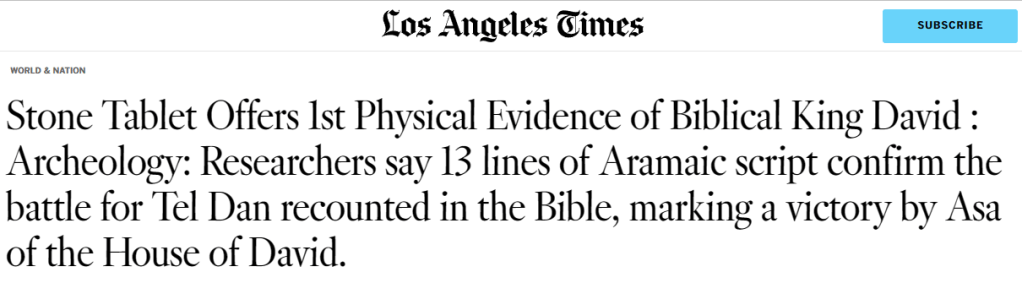
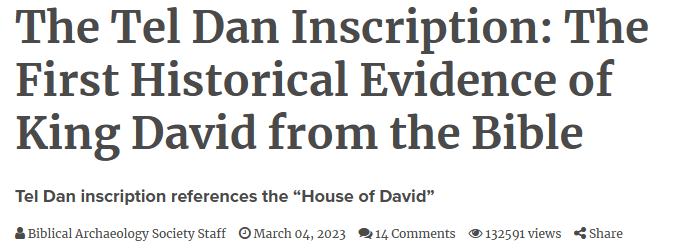
The stone is the first extrabiblical evidence discovered that King David was not a figment of anyone’s imagination – he was a real person. And not only that, but it corroborates the Biblical account of Israel’s defeat by surrounding nations as a result of their apostasy from God, mentioning by name several of those who took part in the real-life historical battle and politics of the time, from the perspective of the pagan oppressor himself.


The Merneptah Stele
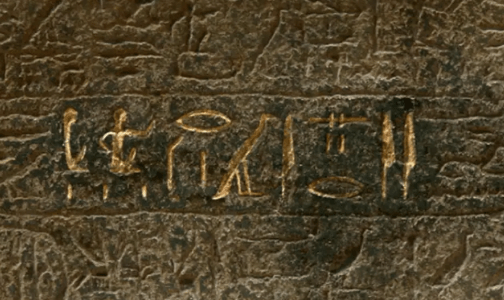
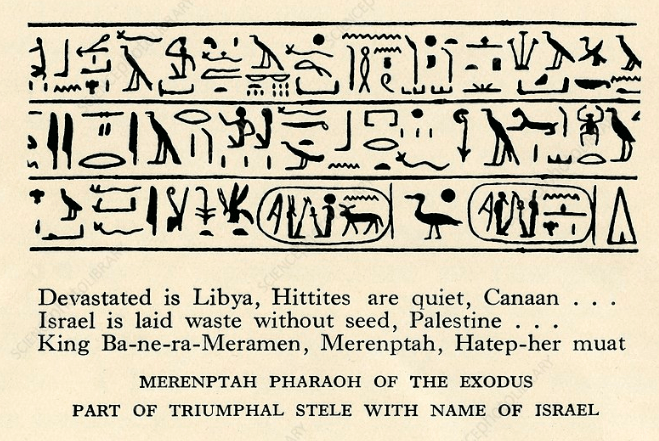
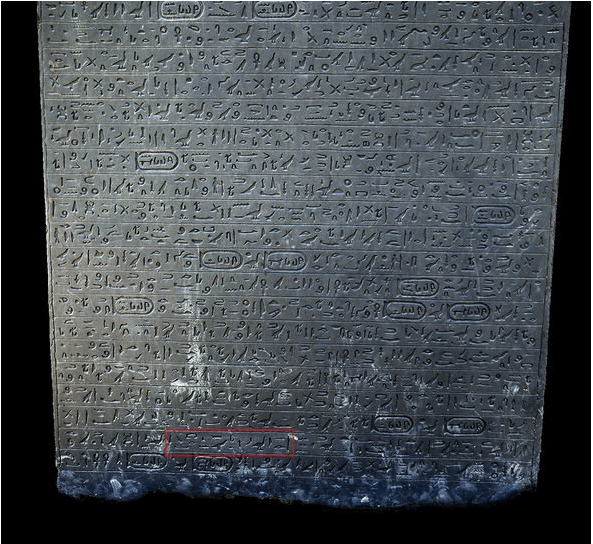
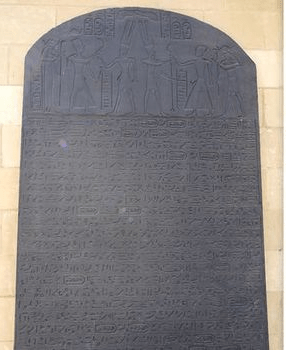
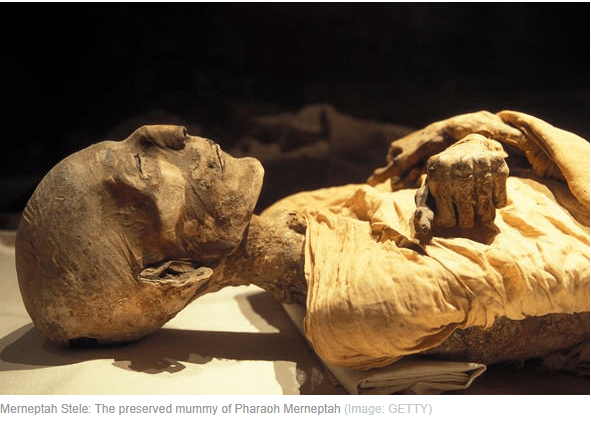
The Merneptah Stele is a 6.5-foot tall granite monument that was discovered in a tomb in Thebes, Egypt in 1896. Its engravings are somewhat of a eulogy and describe the (rather exaggerated) military conquests of Merneptah, the 13th son of Rameses II, in the year 1207 BCE. The
While we know from the existence of Israel today that the Stela’s claims that Merneptah conquered Israel and left nothing of her “seed” were more of a “fish story,” the significance of the Merneptah Stela cannot be overstated, as it is the first extrabiblical proof that Israel was, in fact, occupying the land of Canaan in the exact timeframe the Bible indicates it was… and confirms the nation has indeed been around for over 3200 years.


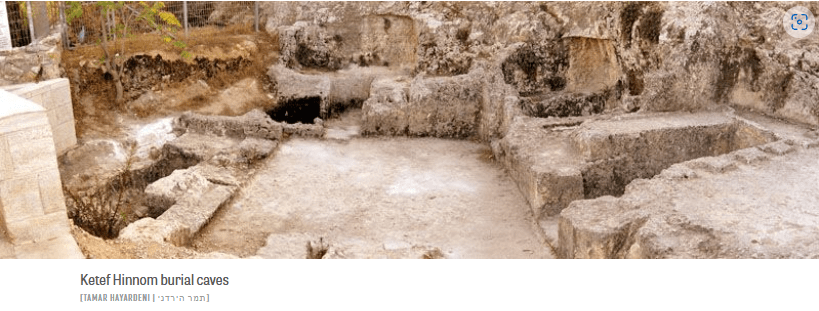
The Ketef Hinnom Scrolls
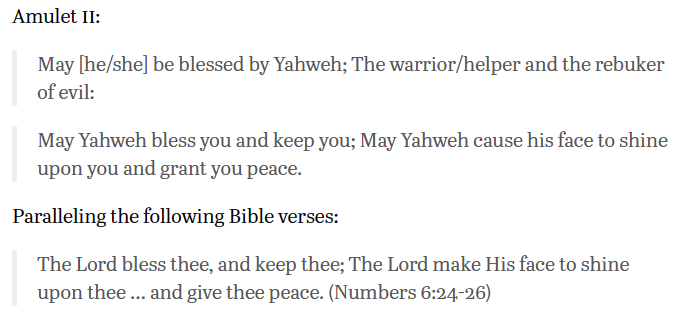
In 1979, these two tightly-wound metal scrolls were found during an excavation in southwest Jerusalem. They were so delicate that two museums declined to attempt to unroll them. When archaeologists finally began unrolling them, the largest took three whole years to complete.
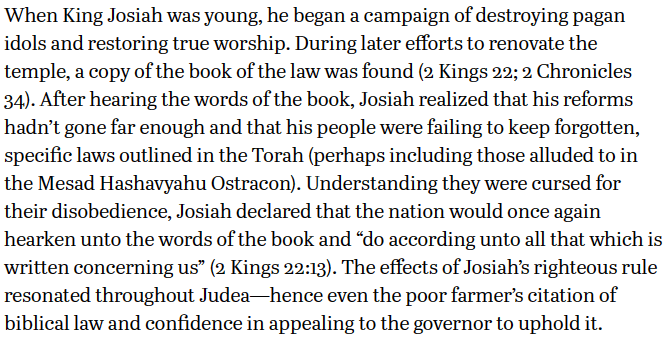
They are dated to 600 BCE, and predate the oldest Dead Sea Scrolls by over 400 years, yet are almost identical to the Bible verses we read from our own Bibles today. Their composition was tested and found to be 99% pure silver. While some Bible minimalists argued over their date of origin due to preconceived theories that the Torah wasn’t written until after the destruction of Jerusalem in 586 BCE, four separate institutions dated them and all came up with the same results – confirming that the Torah was, in fact, written prior to that date. Combined with the discovery of the Masad Hashavyahu Ostracon that dates back a century earlier, which we will look into next, they work together to support the Bible account in 2 Chronicles 34 where the Word of God was rediscovered by Josiah in the Temple and reinstituted in Israel around this exact time.




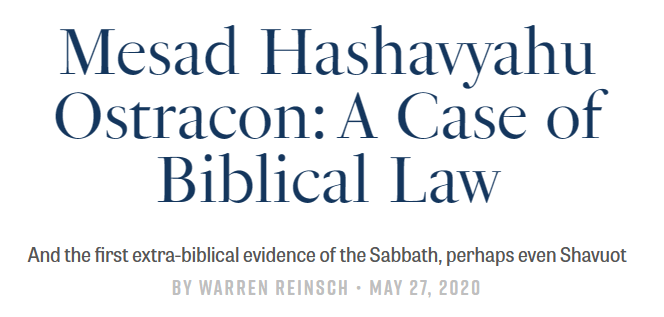
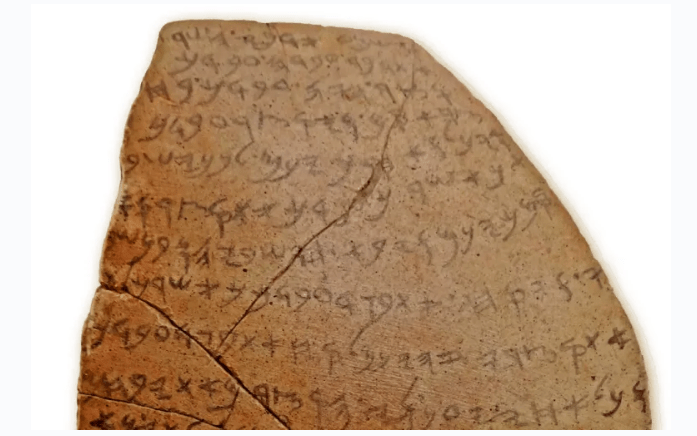
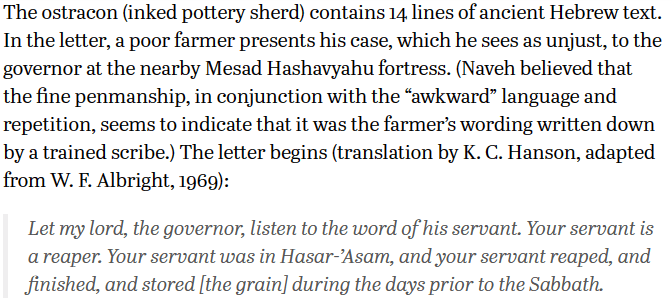
The Mesad Hashavayu Ostracon
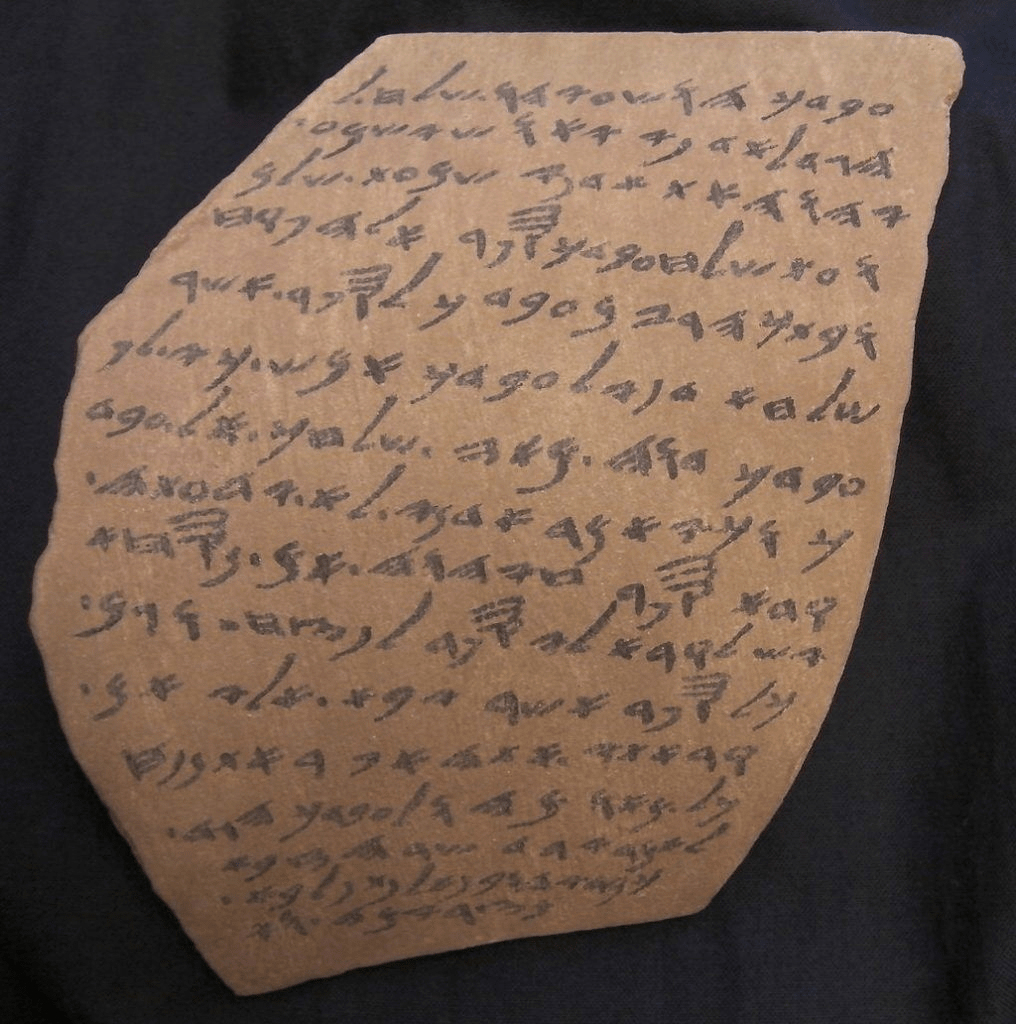
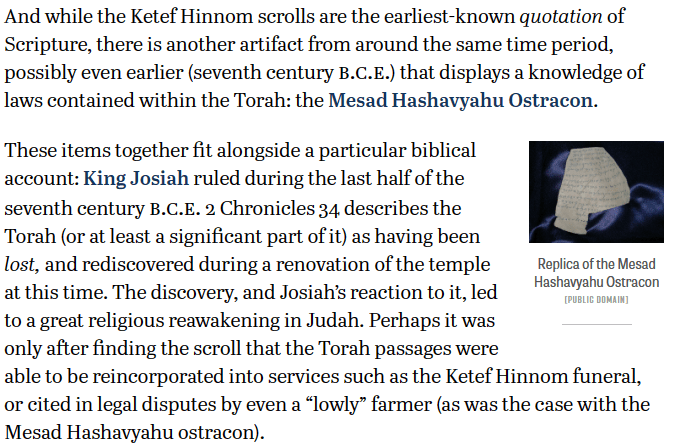
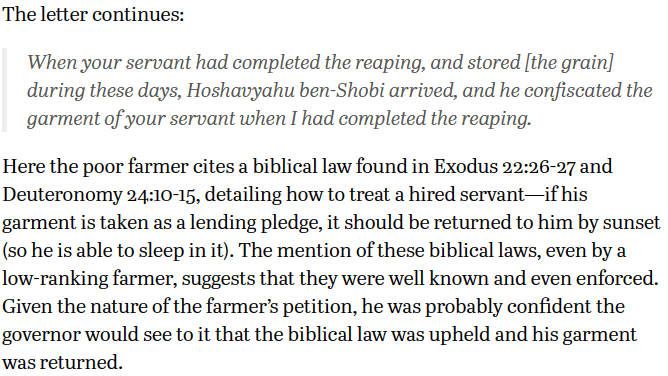
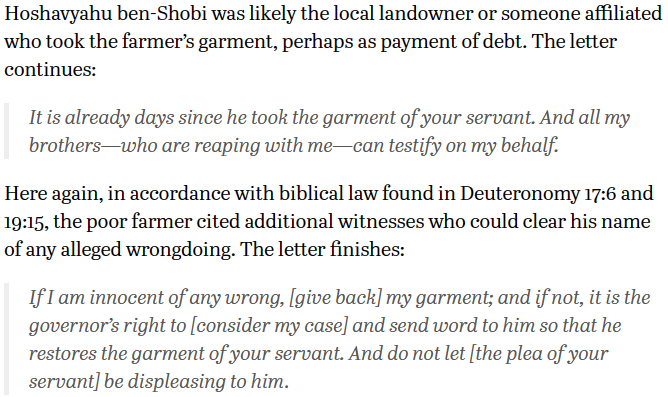
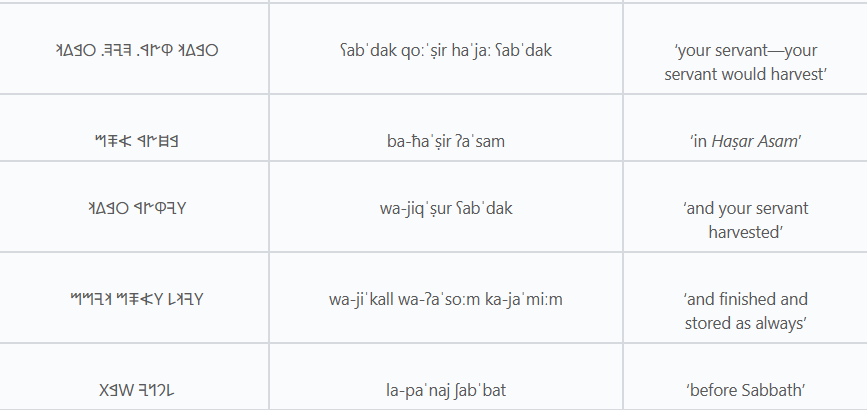
This pottery fragment was found during excavation of a Judean fort on the southern Mediterranean coast in 1960. It was translated and determined to be a letter from a farmer to “the commander,” and has been dated to the 7th century BCE – during the time of the reign of King Josiah of the Bible.
The text contains the earliest-known reference to the biblical Sabbath, as well as references to the ordinances in the Bible concerning proper treatment of servants, indicating that even a century prior to the earliest known evidence of the Torah (the Old Testament of the Bible), even the poorest of the people of God were aware of His laws and keeping His statutes.
“Wherefore the children of Israel shall keep the Sabbath, to observe the Sabbath throughout their generations, for a perpetual covenant. It is a sign between me and the children of Israel for ever: for in six days the Lord made heaven and earth, and on the seventh day he rested, and was refreshed.” Exodus 31:16-17
“I am the LORD your God: Walk in My statutes, keep My judgments, and do them; hallow My Sabbaths, and they will be a sign between Me and you, that you may know that I am the LORD your God.’” Ezekiel 20:19
Mount Sinai Discovered: Jebel El Lawz in Saudi Arabia
Over the course of decades and even centuries, many sites have been debated upon as candidates for the biblical Mount Sinai. But amidst all the possible contenders, one stands out above the rest: Jebel El Lawz.
Mt. Sinai was arguably the most important location in the Old Testament, and as such, it had many defining characteristics associated with it. The site surrounding Jabel El Lawz contains at least six of these characteristics:
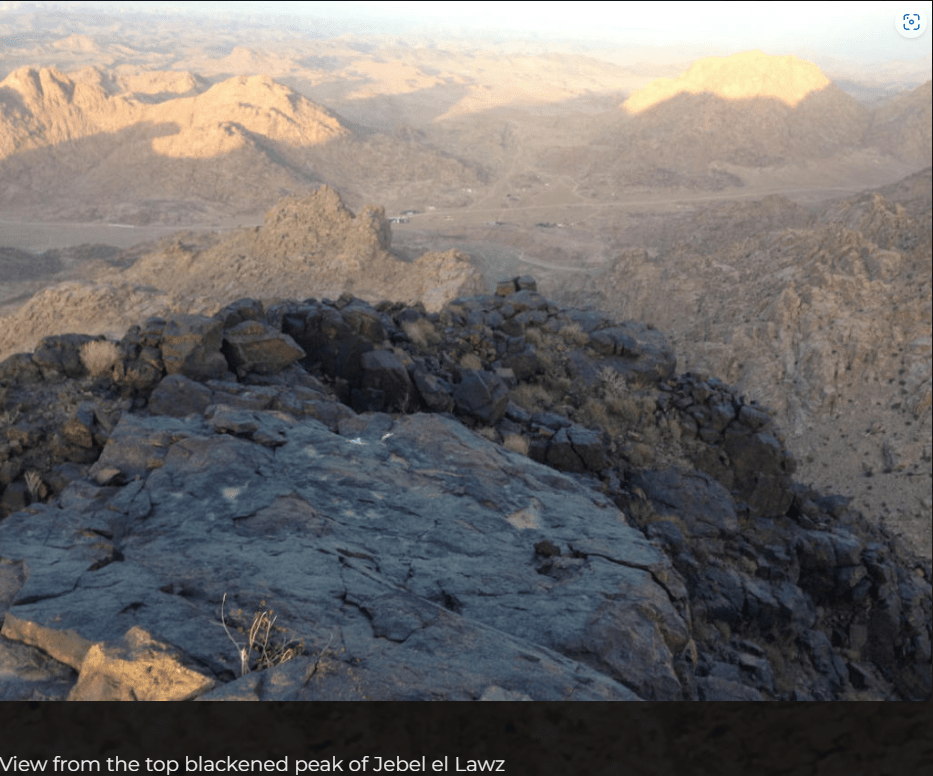
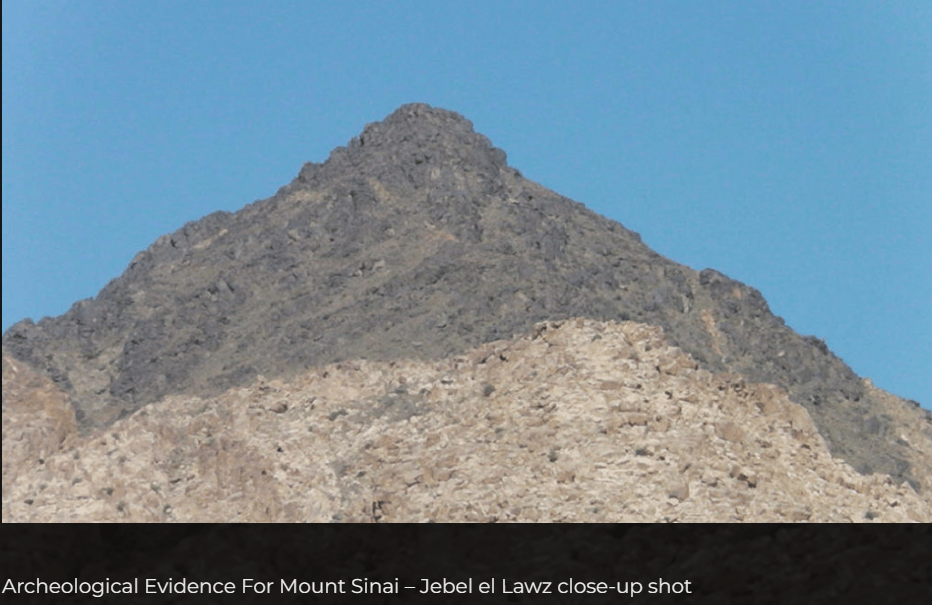
- The top of the mountain appears to be charred black, in contrast to all surrounding peaks, supporting the Biblical account that Mount Sinai burst into flames when the presence of the Lord descended upon it (Exodus 19)
- Rocks surrounding the mountain boast ancient petroglyphs depicting bulls and calves, supporting the Biblical account that when Moses stayed on the Mountain for 40 days, the people of Israel along with those they’d brought with them out of Egypt fell back into the paganism they had been delivered out of in worshipping idols and images in Exodus 32
- There is a large stone mound near the calf petroglyphs that appears to have been man-made, supporting the Biblical account that the people’s idolatry led them to forge a golden calf, make an altar for it and worship it while Moses was on Mount Sinai communing with God for the sake of the people (Exodus 32)
- There is a large rock that is split in two with water erosion at the base (in the middle of the desert this is an unusual sight), corroborating the testimonies of the Rock of Horeb in Exodus 32 and Isaish 48
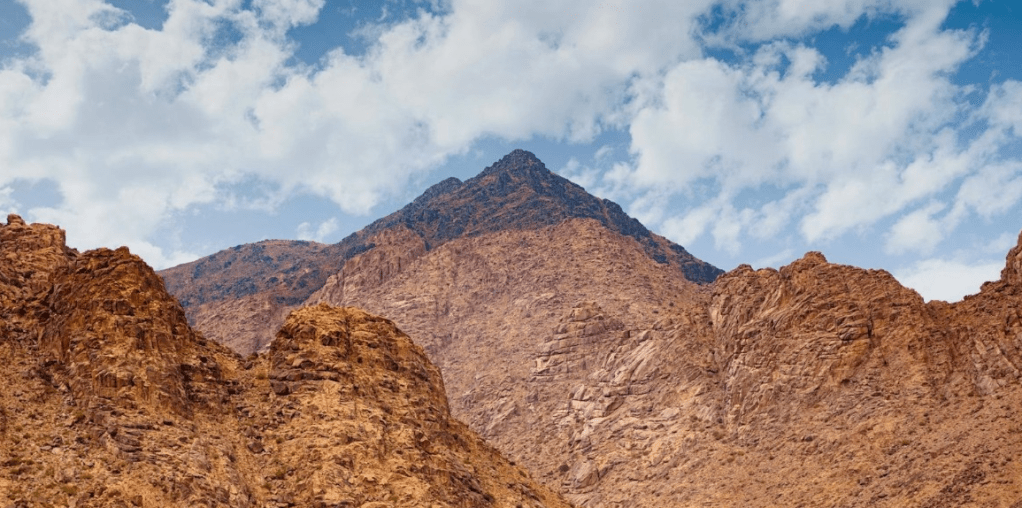
“And Mount Sinai was altogether in a smoke, because the LORD descended upon it in fire; and the smoke thereof ascended as the smoke of a furnace, and the whole mount quaked greatly.” Exodus 19:18.
Link here
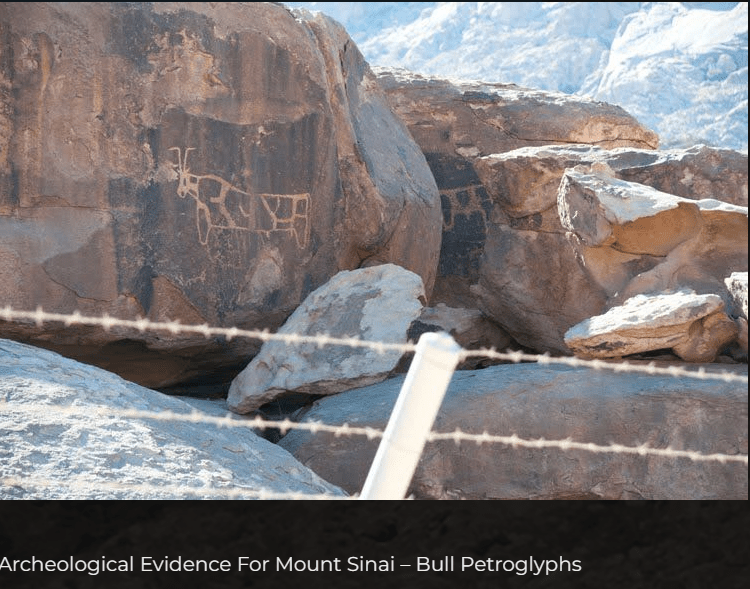
“Now when the people saw that Moses delayed coming down from the mountain, the people gathered together to Aaron, and said to him, “Come, make us gods that shall go before us; for as for this Moses, the man who brought us up out of the land of Egypt, we do not know what has become of him.”
And Aaron said to them, “Break off the golden earrings which are in the ears of your wives, your sons, and your daughters, and bring them to me.” 3 So all the people broke off the golden earrings which were in their ears, and brought them to Aaron. 4 And he received the gold from their hand, and he fashioned it with an engraving tool, and made a molded calf.
Then they said, “This is your god, O Israel, that brought you out of the land of Egypt!”
So when Aaron saw it, he built an altar before it. And Aaron made a proclamation and said, “Tomorrow is a feast to the Lord.” Then they rose early on the next day, offered burnt offerings, and brought peace offerings; and the people sat down to eat and drink, and rose up to play.” Exodus 32

“And the Lord said to Moses, “Go, get down! For your people whom you brought out of the land of Egypt have corrupted themselves. They have turned aside quickly out of the way which I commanded them. They have made themselves a molded calf, and worshiped it and sacrificed to it, and said, ‘This is your god, O Israel, that brought you out of the land of Egypt!’ …
So it was, as soon as he came near the camp, that he saw the calf and the dancing. So Moses’ anger became hot, and he cast the tablets out of his hands and broke them at the foot of the mountain. Then he took the calf which they had made, burned it in the fire, and ground it to powder; and he scattered it on the water and made the children of Israel drink it.” Exodus 32:7-8, 19-20
Link here
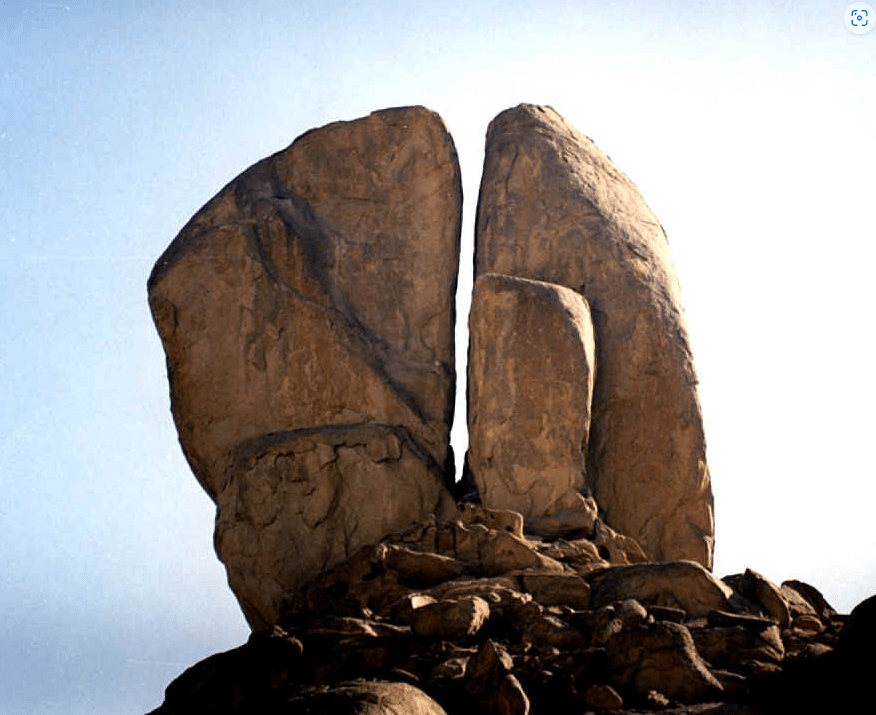
“Behold, I will stand before you there on the rock at Horeb; and you shall strike the rock, and water will come out of it, that the people may drink.” And Moses did so in the sight of the elders of Israel. He named the place Massah and Meribah because of the quarrel of the sons of Israel, and because they tested the Lord, saying, “Is the Lord among us, or not?” Exodus 17:6-7
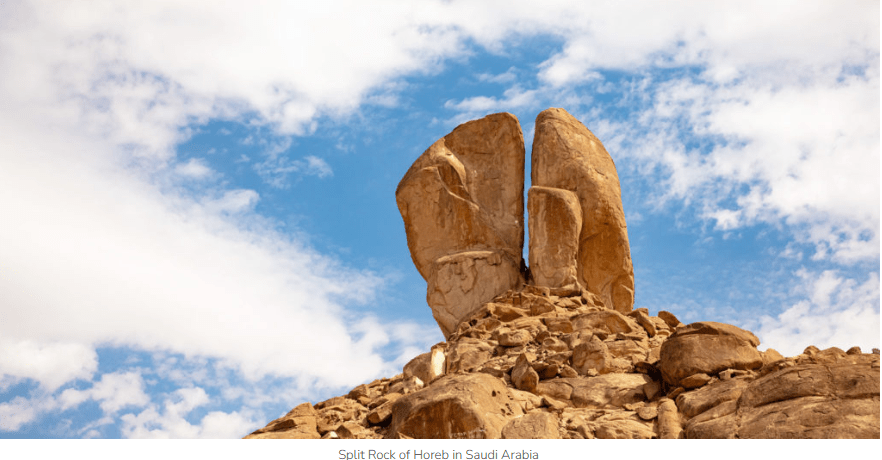
“He made the water flow out of the rock for them; He split the rock and the water gushed forth.” Isaiah 48:21
Link here

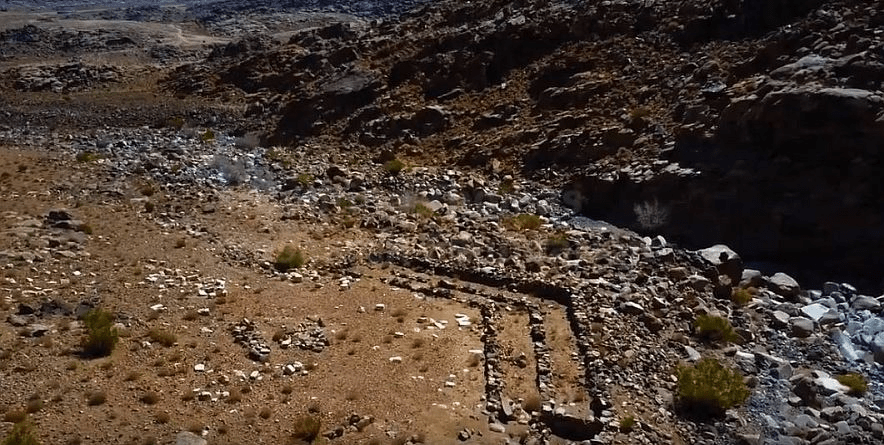
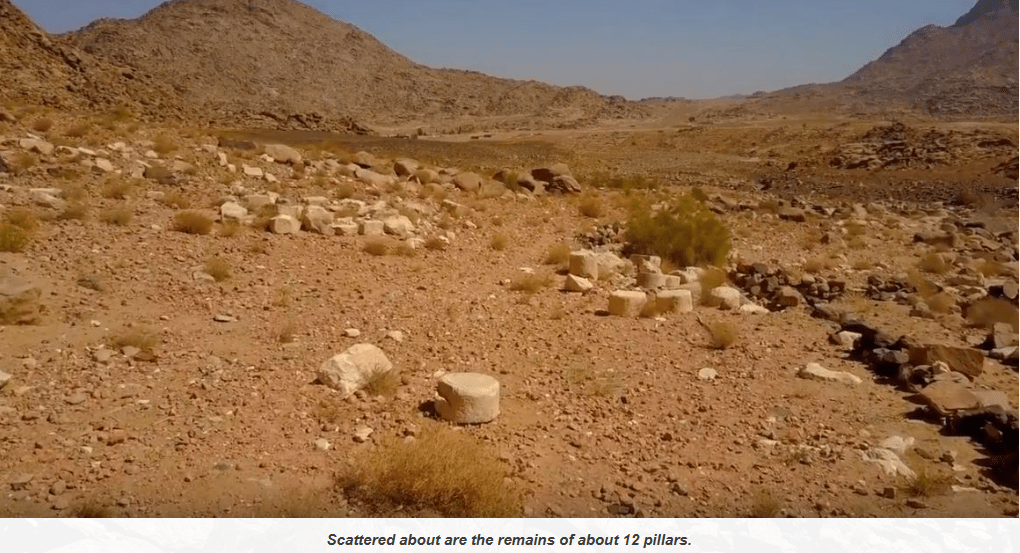
Link here
Hezekiah’s Tunnel & The Siloam Inscription
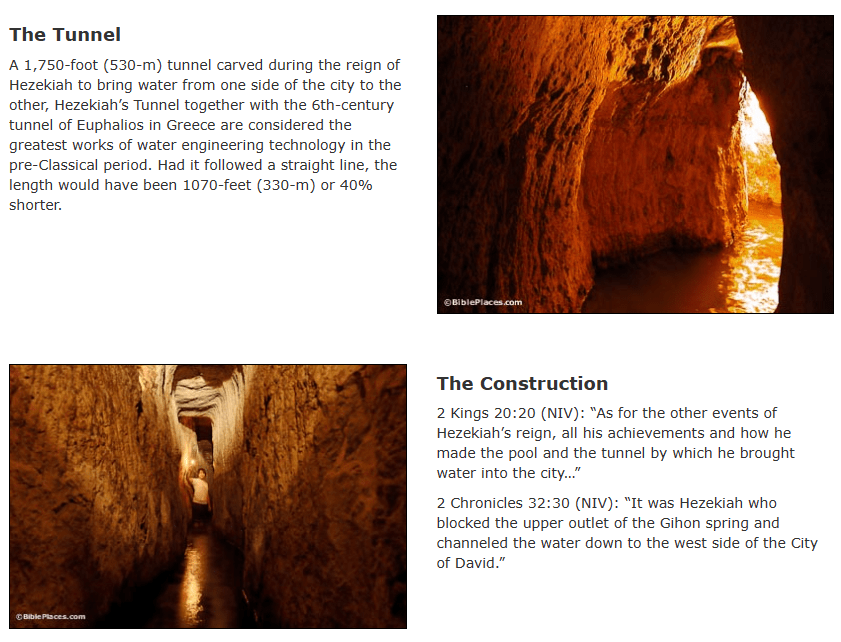
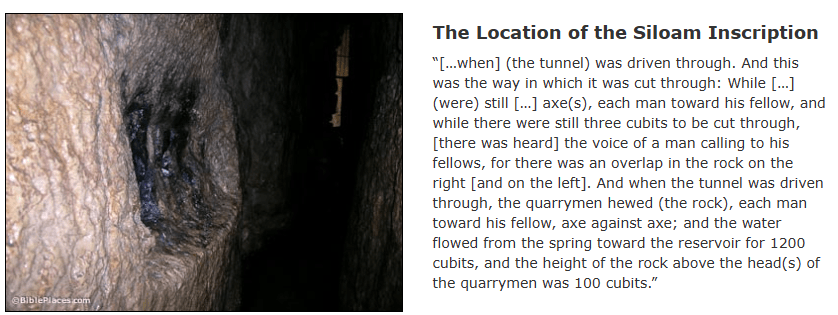
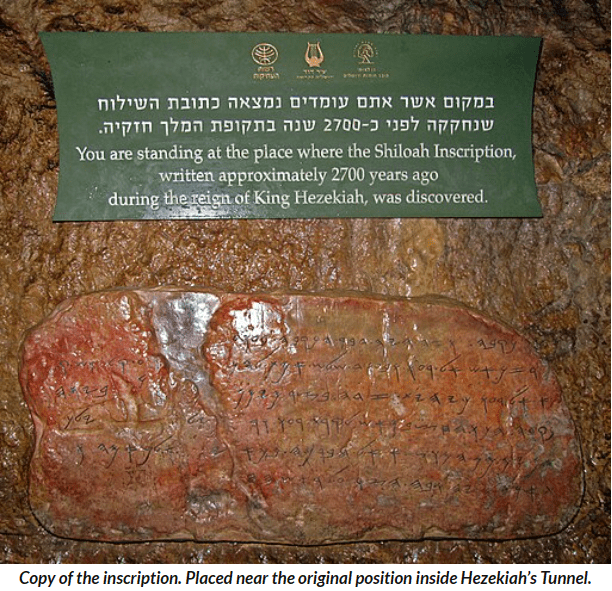
In 1838, this tunnel that leads from the Gihon Spring to Jerusalem was discovered. In 1880, they discovered an inscription on one of the walls detailing the construction of the tunnel. Dated to the 8th century BCE, the tunnel has been found to connect to the recently discovered Pool of Siloam in Jerusalem – the place where Jesus healed the blind man in John 9:7. (see New Testament Discoveries).
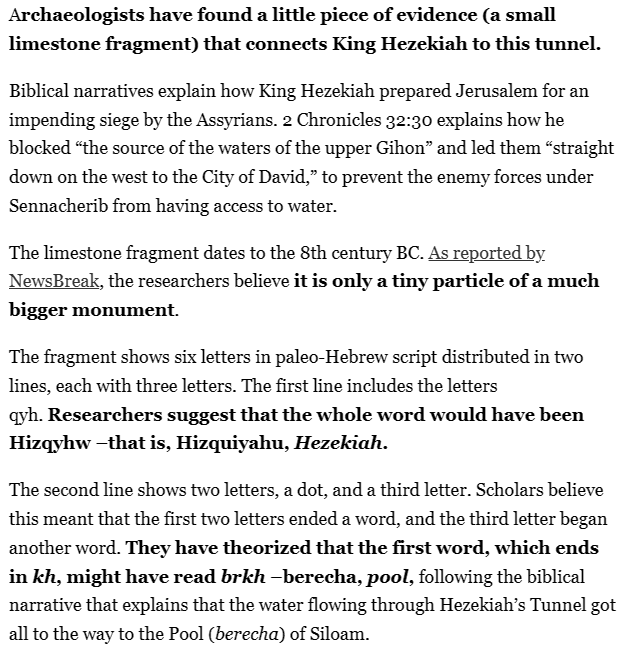
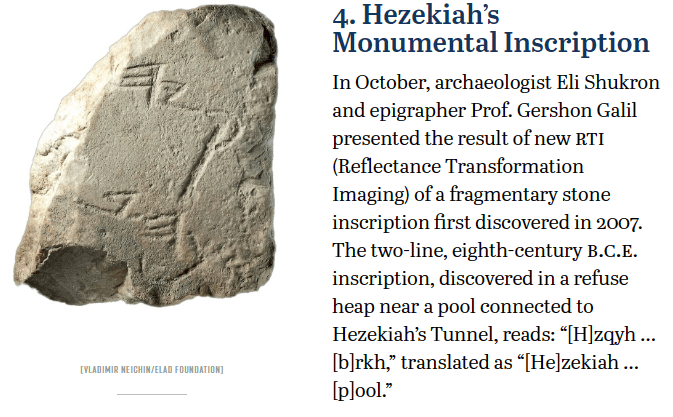
A limestone fragment found in the tunnel contains a partial spelling of the name “Hezekiah” and the last few letters of the word “pool”, indicating that this is indeed the conduit tunnel the Bible narrates Hezekiah commissioned as he prepared for an impending Assyrian siege.
2 Kings 20:20 reads: “Now the rest of the acts of Hezekiah, and all his might, and how he made the pool, and the conduit, and brought water into the city, are they not written in the book of the chronicles of the kings of Judah?”
2 Chronicles 32:2-4, 30 says, “And when Hezekiah saw that Sennacherib was come, and that he was purposed to fight against Jerusalem, he took counsel with his princes and his mighty men to stop the waters of the fountains which were without the city: and they did help him.
So there was gathered much people together, who stopped all the fountains, and the brook that ran through the midst of the land, saying, “Why should the kings of Assyria come, and find much water?”…This same Hezekiah also stopped the upper watercourse of Gihon, and brought it straight down to the west side of the city of David. And Hezekiah prospered in all his works.”


Shiloh Tabernacle
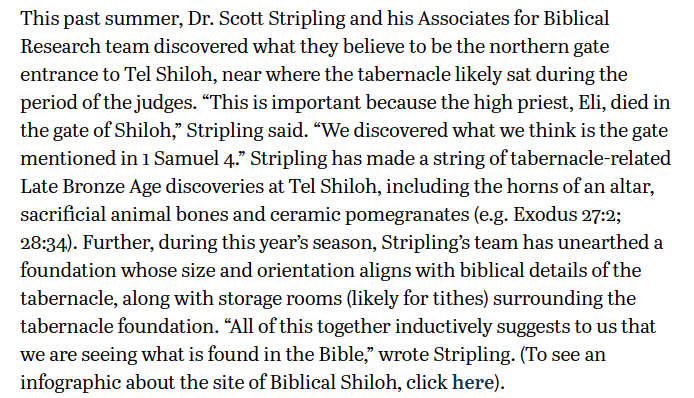
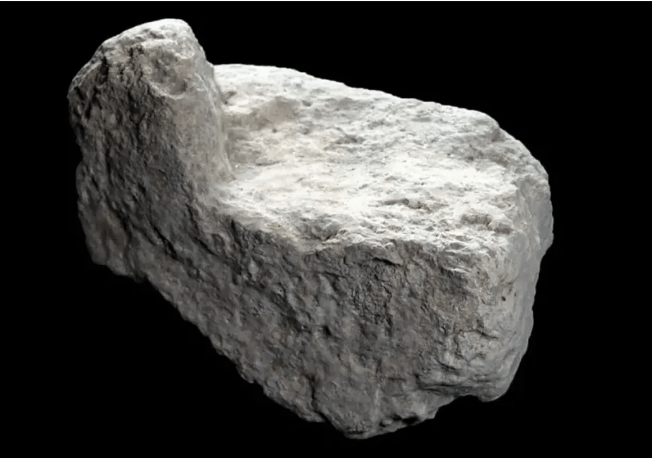
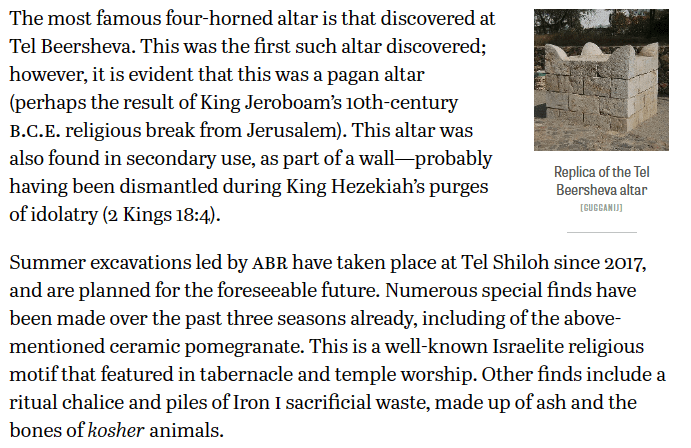
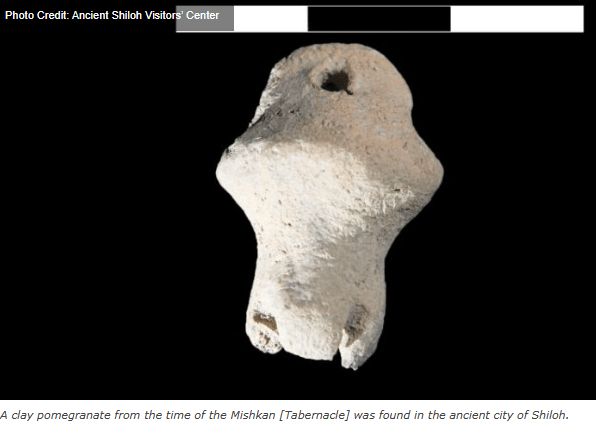
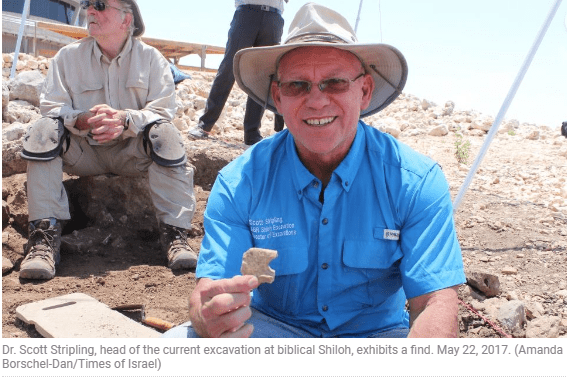
A recent excavation has revealed a large site that contains the remains of a gate, horns of an altar, sacrificial animal bones and ceramic pomegranates. This directly coincides with the Bible’s description of where the Priest Eli died, as mentioned in 1 Samuel 4.
“Then a man of Benjamin ran from the battle line the same day, and came to Shiloh with his clothes torn and dirt on his head. Now when he came, there was Eli, sitting on a seat by the wayside watching, for his heart trembled for the ark of God. And when the man came into the city and told it, all the city cried out.
Then it happened, when he made mention of the ark of God, that Eli fell off the seat backward by the side of the gate; and his neck was broken and he died, for the man was old and heavy. And he had judged Israel forty years.” 1 Samuel 4:12-15, 18.

Discoveries From the New Testament
Manuscript Copies of the New Testament
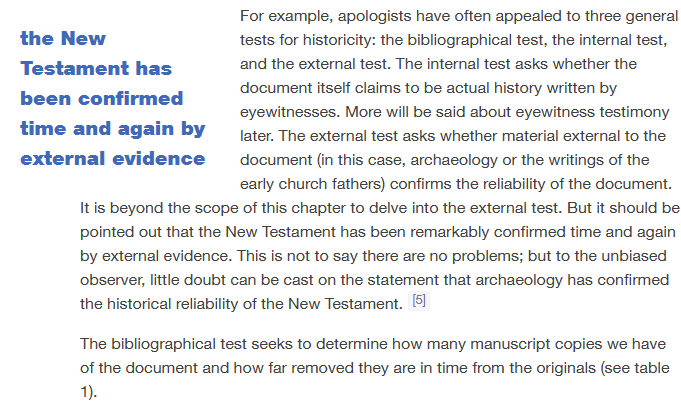
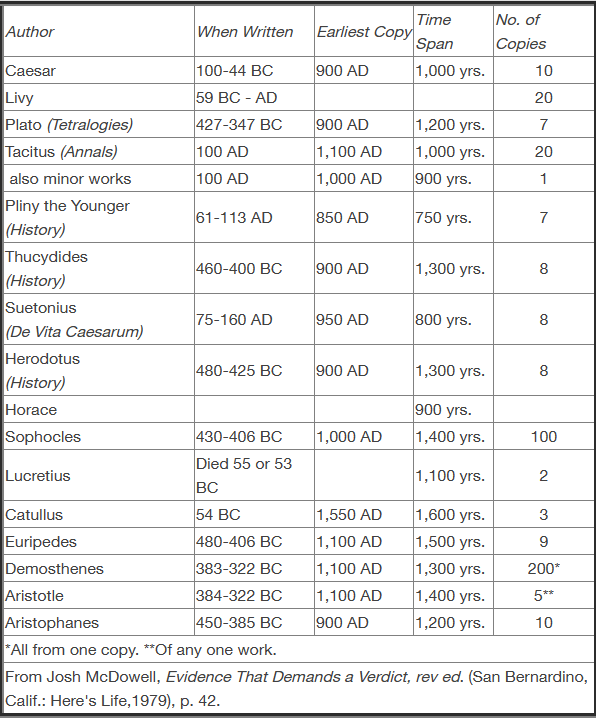
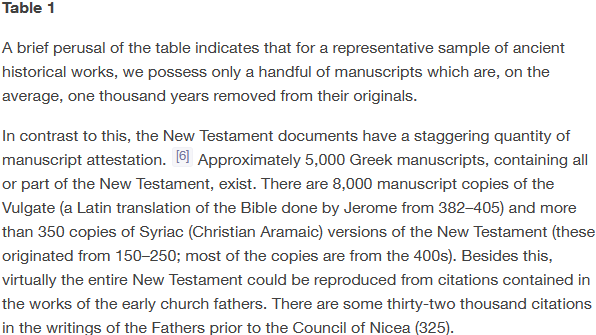
There have been over 25,000 ancient manuscripts in more than three different languages (including Greek, Latin Vulgate, and Syriac) that have been found that contain all or part of the New Testament as we read it today, some of which date back to less than a century after the originals were likely written (see St. John Fragment) In contrast, the copies of the writings of some of the most prolific writers of ancient secular history combined represent 418 manuscripts total – and the earliest copies of those were dated at minimum 1,000 years after the originals were written.
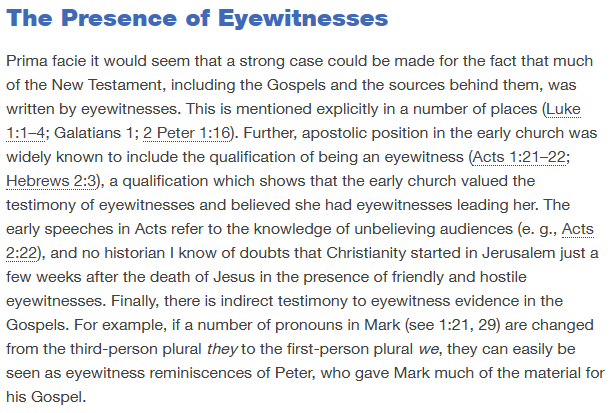
Not only is the New Testament the most highly copied and distributed work ever produced (link here), it contains testimonies of eyewitnesses that all corroborate each other. Matthew, John, and Peter all knew each other and testified to each other being there in their own accounts, they knew Paul who knew Luke and Titus, etc…all telling their own version of the same exact story and bearing individual witness of the life, death, and resurrection of Jesus under the exact same circumstances as the others!
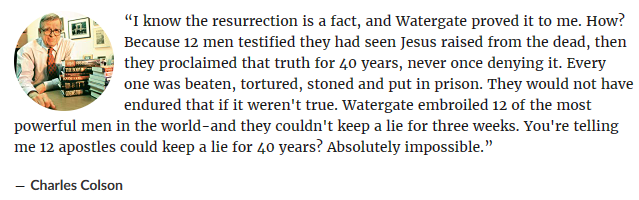
Perhaps the most compelling evidence of all is that these men had nothing to gain in this world, and everything to lose, for spreading the information they did. They were hated, chased down, thrown in prison, tortured, sent into exile, and murdered for the things they said – and yet every single one of them maintained the life, death, and resurrection of Jesus Christ as the truth and the rule of their lives until the day they died, which was 40 years later for some. They never broke under pressure, they lived and died for the truth, come what may. They spent their whole lives spreading the news – which we see the evidence of in these 25,000 manuscripts – what could they possibly have stood to gain, if it was all for a lie? Charles Colson put it best:
“I know the resurrection is a fact, and Watergate proved it to me. How? Because 12 men testified they had seen Jesus raised from the dead, then they proclaimed that truth for 40 years, never once denying it. Every one was beaten, tortured, stoned and put in prison. They would not have endured that if it weren’t true. Watergate embroiled 12 of the most powerful men in the world-and they couldn’t keep a lie for three weeks. You’re telling me 12 apostles could keep a lie for 40 years? Absolutely impossible.”
― Charles Colson


Ancient, Non-Christian Evidence for the Existence of Jesus
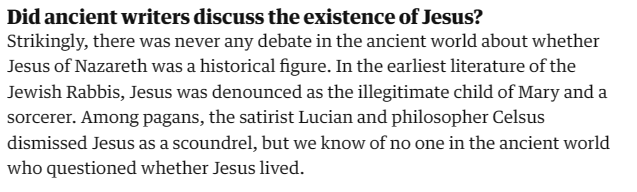
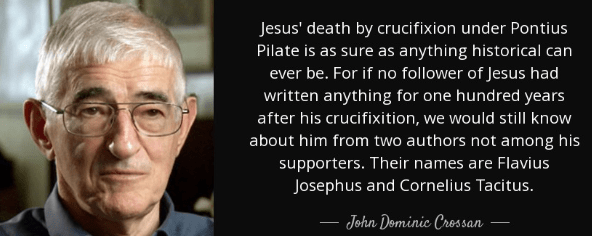
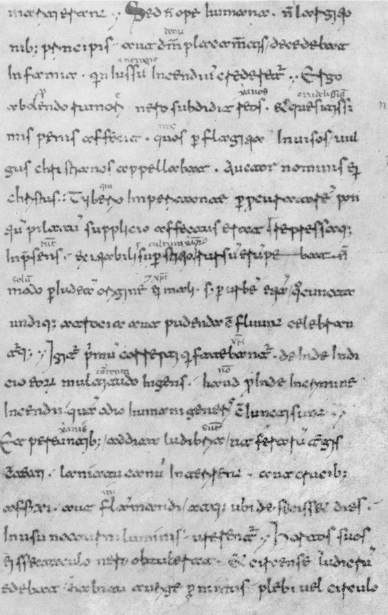
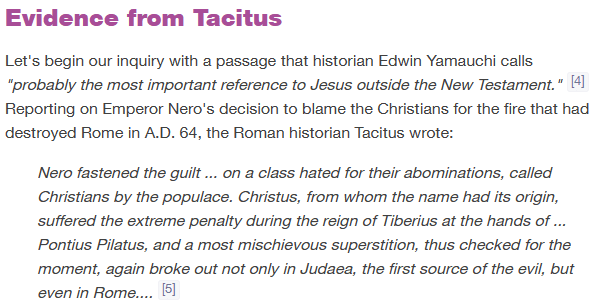
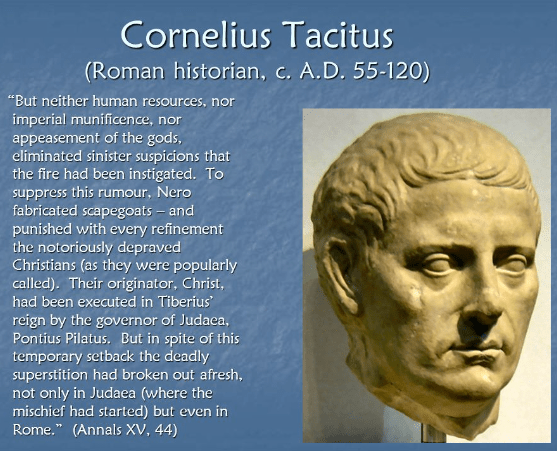
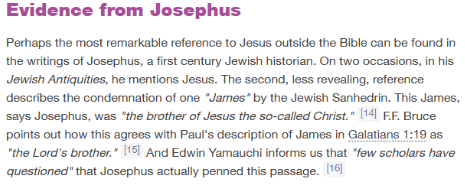
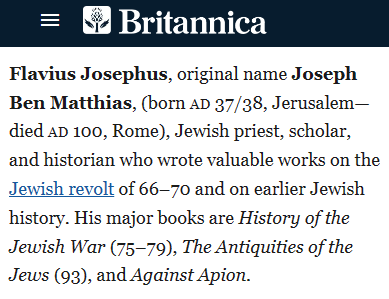
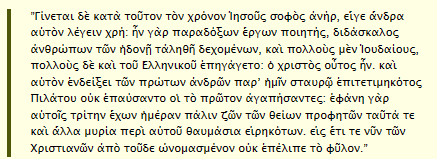
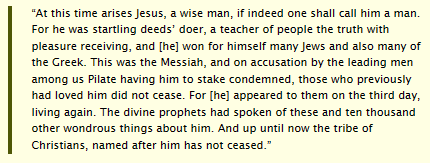
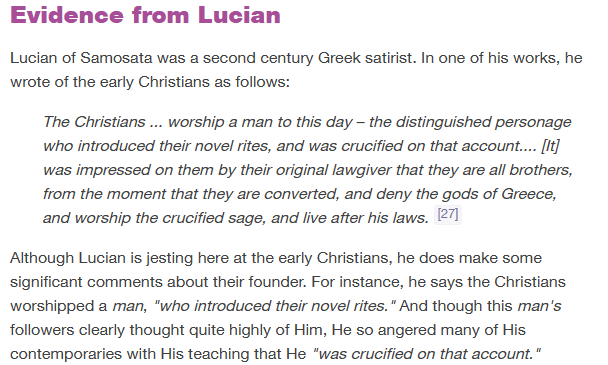
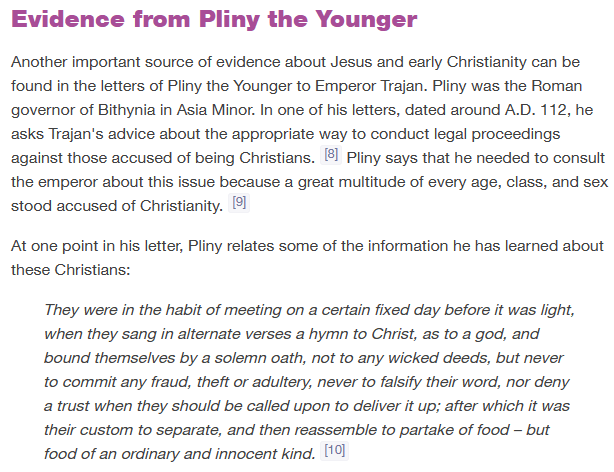
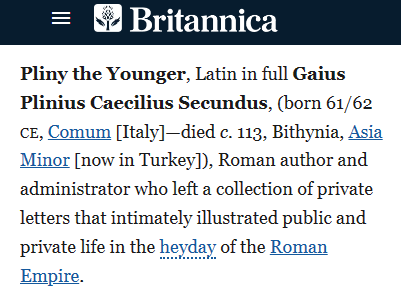
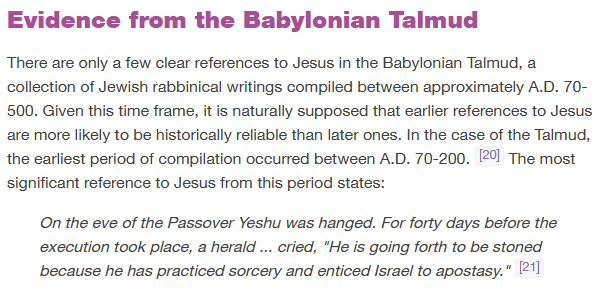
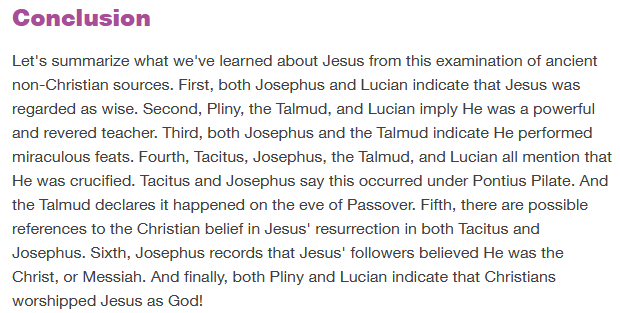
As the news spread of Jesus Christ through His followers, the secular world was made aware. Within 150 years of His life, there are more than 30 sources outside the New Testament that acknowledge His reality. While there are numerous Christian sources testifying to His life, death, and resurrection, there are also multiple strong non-Christian sources that testify to the reality of the historical Jesus. When comparing them, we find that in the midst of the differing reports, the Bible is supported in the truth of its multiple accounts even by contemporary secular historians.



The St. John Fragment: Ryland’s Papyrus 52
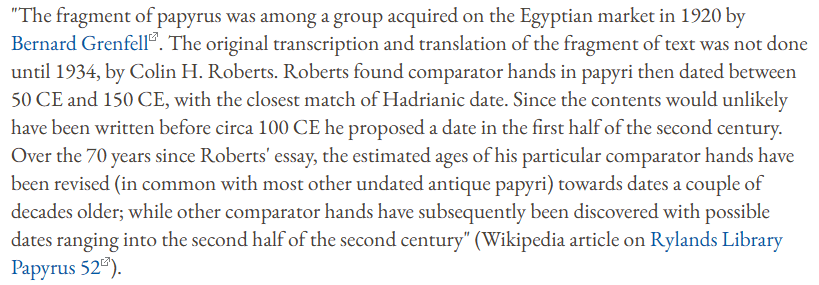
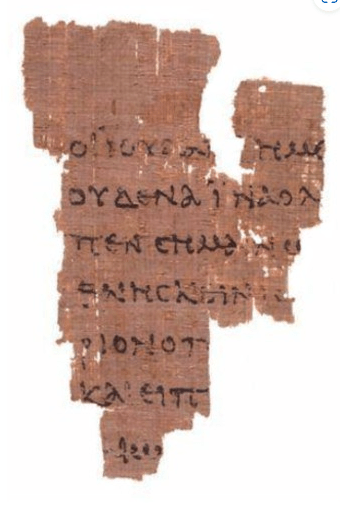
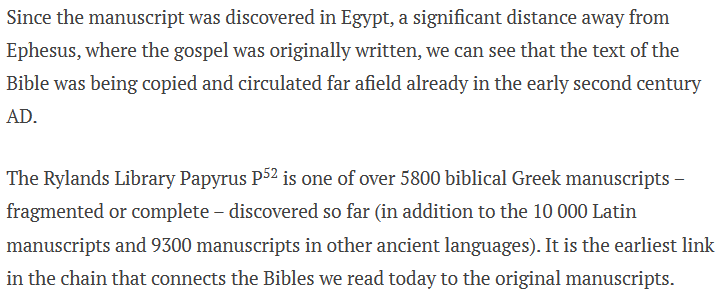
The St. John Fragment, discovered in 1920 and translated decades later, has been found to be the earliest known manuscript from the New Testament, dating possibly as far back as 50 AD and as late as 150 AD. This is significant because it is estimated that John would have written his original Gospel between 85 and 90 AD, so this papyrus is old enough to have either been the original, or one of the original copies sent out while he was still alive.
The front of the fragment contains the verses of John 18:31-33, and the back contains verses 37 and 38:
“Pilate said to them, “Take him yourselves and judge him by your own law.” The Jews said to him, “It is not lawful for us to put anyone to death.” This was to fulfill the word that Jesus had spoken to show by what kind of death he was going to die.
Then Pilate said to him, “So you are a king?” Jesus answered, “You say that I am a king. For this purpose I was born and for this purpose I have come into the world—to bear witness to the truth. Everyone who is of the truth listens to my voice.” Pilate said to him, “What is truth?”
After he had said this, he went back outside to the Jews and told them, “I find no guilt in him.”

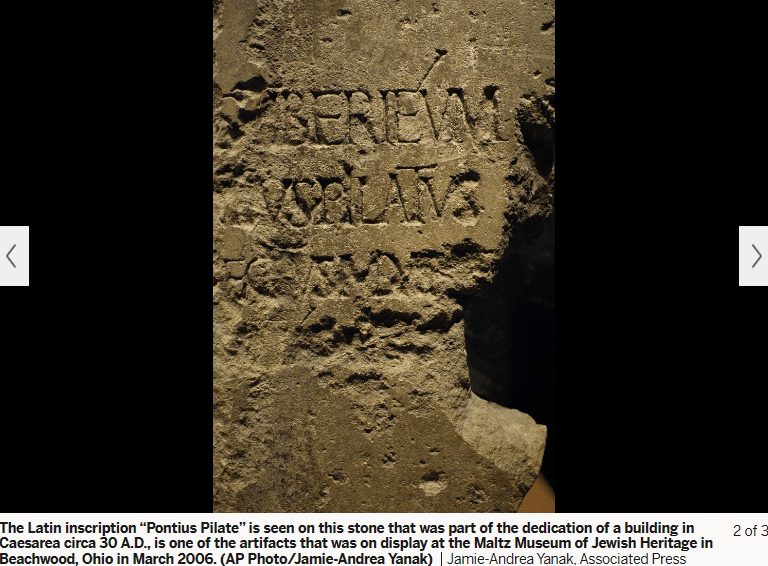
The Pilate Inscription Stone
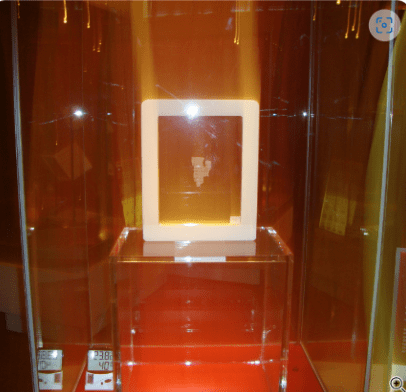
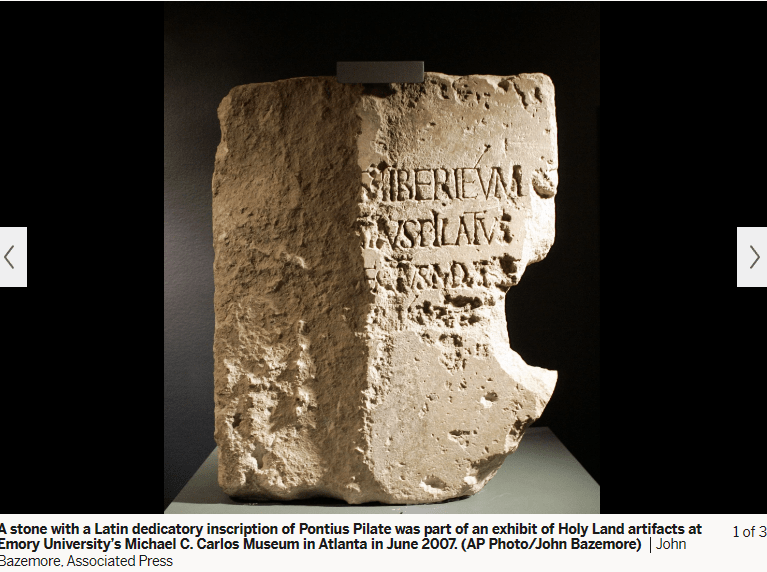
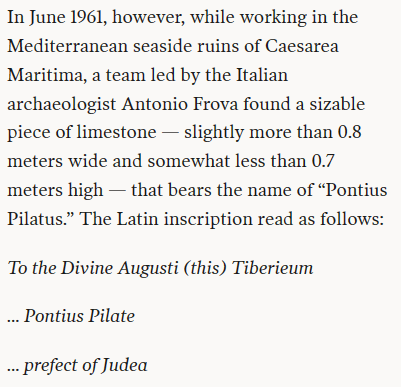
In 1961, a limestone slab was discovered that had the words: To the Divine Augusti (this Tibereium – Pontius Pilate – Prefect of Judea.
This slab was dated to the year 30AD – four years prior to the crucifixion of Jesus, and proves that not only was there a man of authority in Judea named Pontius Pilate, but he was in power as prefect (governor) during the last few years of Jesus’ life – just as the Bible says.
“When morning came, all the chief priests and elders of the people plotted against Jesus to put Him to death. And when they had bound Him, they led Him away and delivered Him to Pontius Pilate the governor...
Now Jesus stood before the governor. And the governor asked Him, saying, “Are You the King of the Jews?”
Jesus said to him, “It is as you say.” And while He was being accused by the chief priests and elders, He answered nothing.
Then Pilate said to Him, “Do You not hear how many things they testify against You?” But He answered him not one word, so that the governor marveled greatly. Now at the feast the governor was accustomed to releasing to the multitude one prisoner whom they wished. And at that time they had a notorious prisoner called Barabbas. Therefore, when they had gathered together, Pilate said to them, “Whom do you want me to release to you? Barabbas, or Jesus who is called Christ?” For he knew that they had handed Him over because of envy.
While he was sitting on the judgment seat, his wife sent to him, saying, “Have nothing to do with that just Man, for I have suffered many things today in a dream because of Him.”
But the chief priests and elders persuaded the multitudes that they should ask for Barabbas and destroy Jesus. The governor answered and said to them, “Which of the two do you want me to release to you?”
They said, “Barabbas!”
Pilate said to them, “What then shall I do with Jesus who is called Christ?”
They all said to him, “Let Him be crucified!”
Then the governor said, “Why, what evil has He done?”
But they cried out all the more, saying, “Let Him be crucified!”
When Pilate saw that he could not prevail at all, but rather that a tumult was rising, he took water and washed his hands before the multitude, saying, “I am innocent of the blood of this just Person. You see to it.”
And all the people answered and said, “His blood be on us and on our children.”
Then he released Barabbas to them; and when he had scourged Jesus, he delivered Him to be crucified.” Matthew 27:1-2, 11-26
The Caiaphas Ossuary
“Then assembled together the chief priests, and the scribes, and the elders of the people, unto the palace of the high priest, who was called Caiaphas..”. Matthew 26:2-3
“And they that had laid hold on Jesus led him away to Caiaphas the high priest, where the scribes and the elders were assembled. But Jesus held his peace. And the high priest answered and said unto him, I adjure thee by the living God, that thou tell us whether thou be the Christ, the Son of God. Jesus saith unto him, Thou hast said: nevertheless I say unto you, Hereafter shall ye see the Son of man sitting on the right hand of power, and coming in the clouds of heaven. Then the high priest rent his clothes, saying, He hath spoken blasphemy; what further need have we of witnesses? behold, now ye have heard his blasphemy.” Matthew 26:57, 63-65
“And one of them, named Caiaphas, being the high priest that same year, said unto them, “Ye know nothing at all, Nor consider that it is expedient for us, that one man should die for the people, and that the whole nation perish not.” And this spake he not of himself: but being high priest that year, he prophesied that Jesus should die for that nation.” John 11:49-51

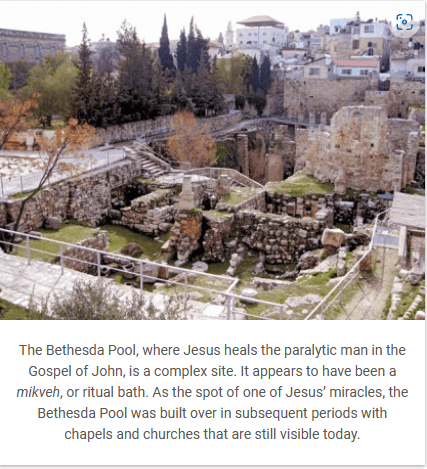
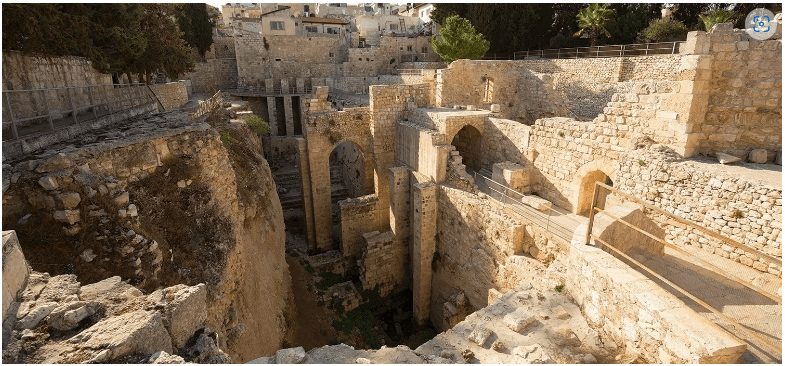
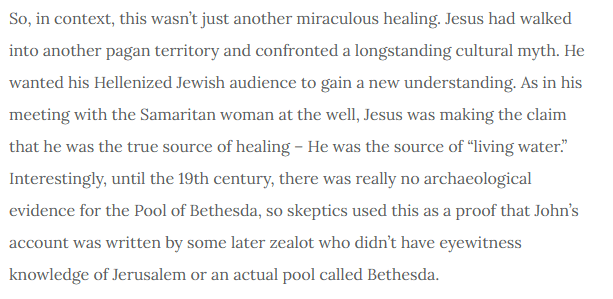
The Pool of Bethesda
“Now there is in Jerusalem by the Sheep Gate a pool, which is called in Hebrew, Bethesda, having five porches. In these lay a great multitude of sick people, blind, lame, paralyzed, waiting for the moving of the water.” John 5:2-3
“One who was there had been an invalid for thirty-eight years. When Jesus saw him lying there and learned that he had been in this condition for a long time, he asked him, “Do you want to get well?”
“Sir,” the invalid replied, “I have no one to help me into the pool when the water is stirred. While I am trying to get in, someone else goes down ahead of me.”
Then Jesus said to him, “Get up! Pick up your mat and walk.” At once the man was cured; he picked up his mat and walked. “(John 5:5-9)


The Pool of Siloam
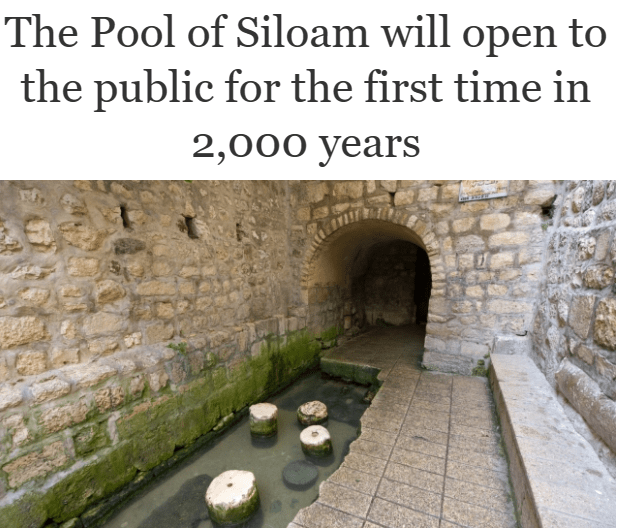
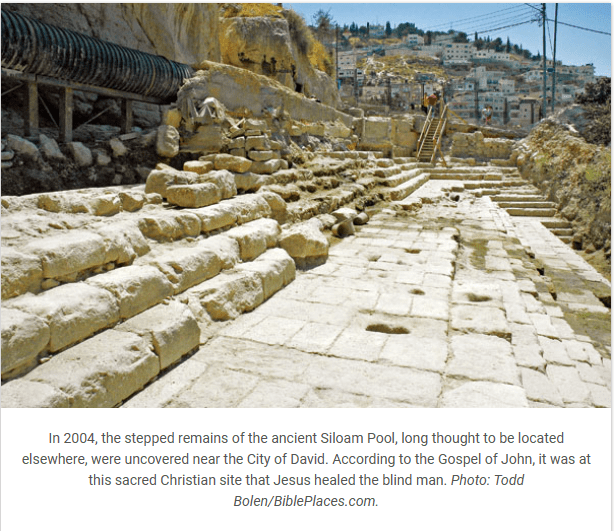
The steps to the Pool of Siloam were discovered in 2004. It is currently being excavated and will be open to the public when the excavation and restoration process is complete.
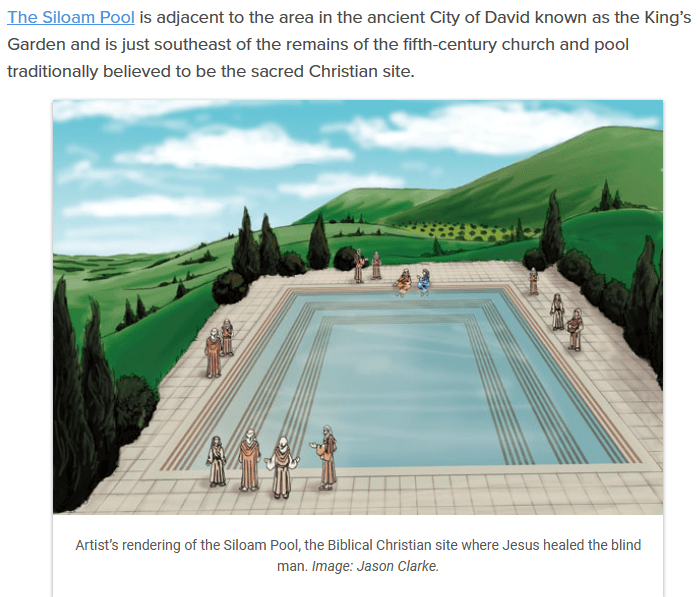
The Bible mentions the Pool of Siloam as the place where Jesus sent a blind man to wash, and he was given his sight.
It also connects to Hezekiah’s Tunnel (see Old Testament Discoveries), making it a large piece of evidence supporting both the Old Testament and the New Testament historical accounts, dating back to the 7th century BCE.
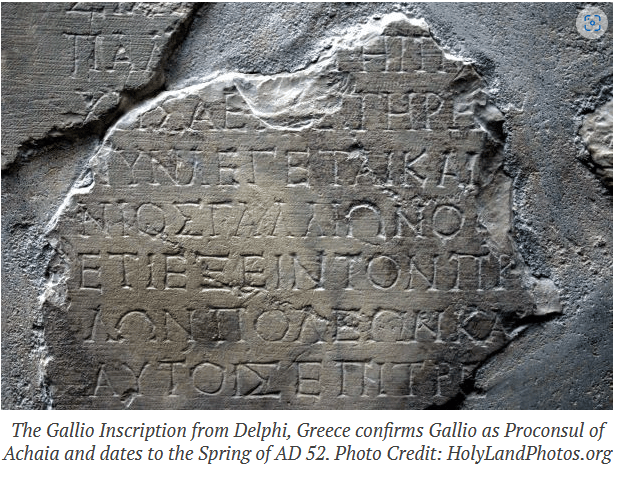
The Gallio Inscription
The Gallio Inscription is a stone slab inscribed by The Emperor Claudius in AD 52, mentioning his appointment of Junius Gallio as “his friend and proconsul.” This confirms the Bible’s account in Acts:
“But when Gallio was proconsul of Achaia, the Jews made a united attack on Paul and brought him before the tribunal.” Acts 18:2
The Erastus Inscription
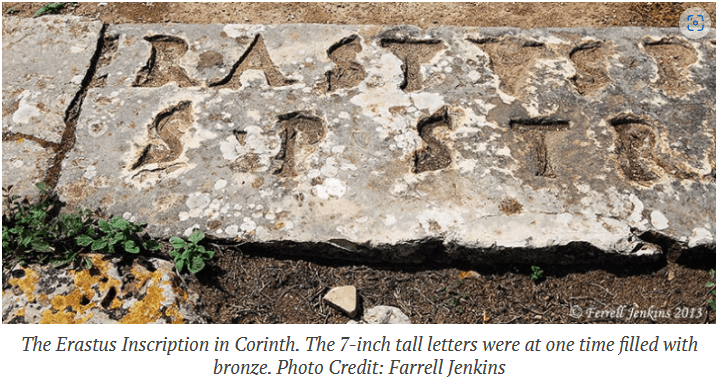
The Erastus Inscription dates to the middle of the first century (50-70AD) and states, “Erastus, in return for his aedileship laid [this pavement] at his own expense.” It was filled with bronze and confirms the Bible’s account that Erastus was a “chamberlain” of the city – as an “aedile” was an elected official whose job was to maintain the city.
Romans 16:23 – “Erastus the chamberlain of the city saluteth you.”
The Sergius Paulus Inscriptions
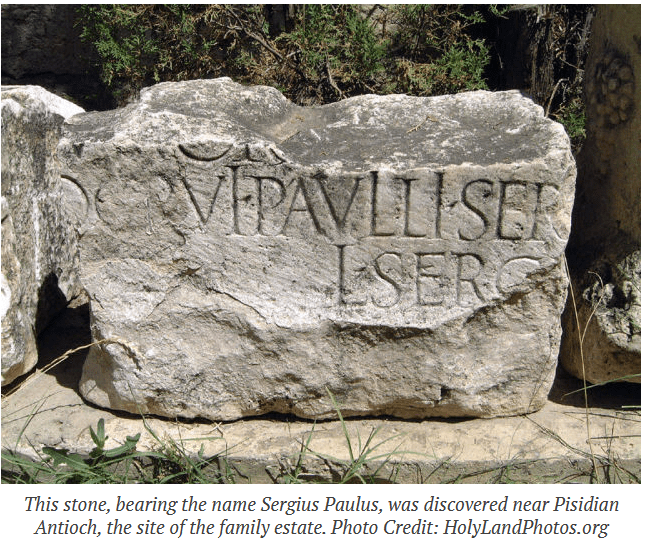
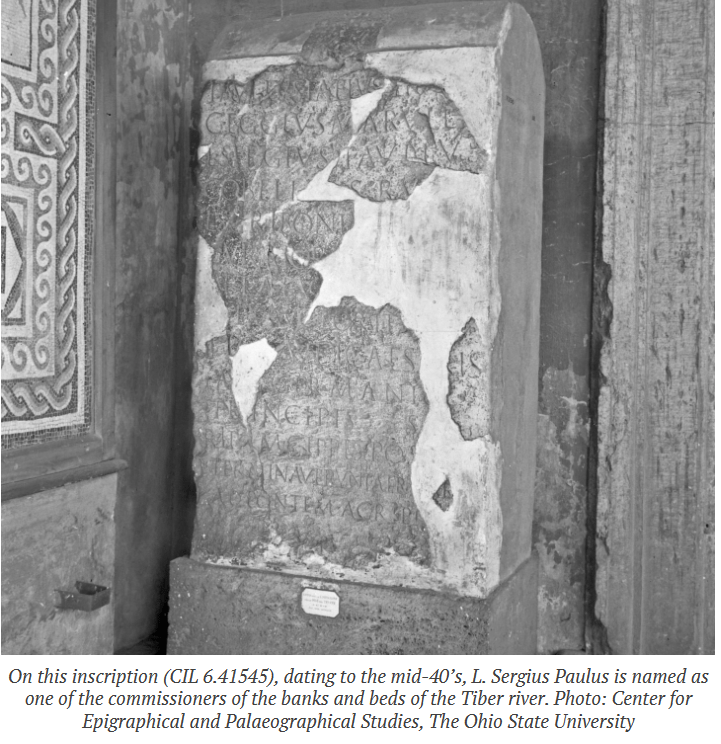
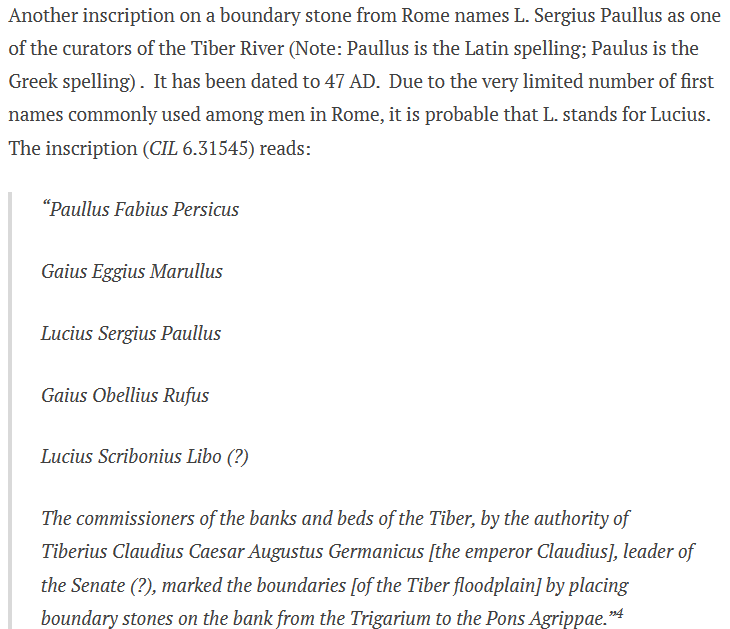
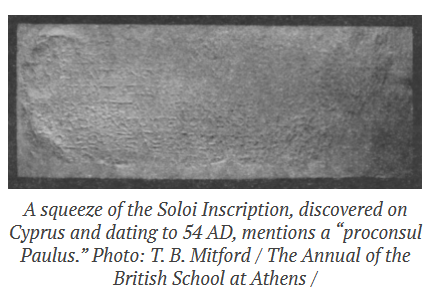
Numerous inscriptions mentioning Sergius Paulus and his family have been discovered near Pisidian Antioch. This confirms the historicity of a prominent man and family in the Roman Empire as mentioned in the Bible’s book of Acts.
“When they had gone through the whole island as far as Paphos, they came upon a certain magician, a Jewish false prophet named Bar-Jesus. He was with the proconsul, Sergius Paulus, a man of intelligence, who summoned Barnabas and Saul and sought to hear the word of God. But Elymas the magician (for that is the meaning of his name) opposed them, seeking to turn the proconsul away from the faith. But Saul, who was also called Paul, filled with the Holy Spirit, looked intently at him and said, “You son of the devil, you enemy of all righteousness, full of all deceit and villainy, will you not stop making crooked the straight paths of the Lord? And now, behold, the hand of the Lord is upon you, and you will be blind and unable to see the sun for a time.” Immediately mist and darkness fell upon him, and he went about seeking people to lead him by the hand. Then the proconsul believed, when he saw what had occurred, for he was astonished at the teaching of the Lord.” Acts 13:4-12
From there they went to Antioch in Pisidia (verse 14)…knowing now that the Sergius Paulus family lived there, could they have gone to witness to his family? We don’t know for sure, but one thing is certain – the Bible was accurate when it mentioned a proconsul named Sergius Paulus.
The Nazareth Inscription
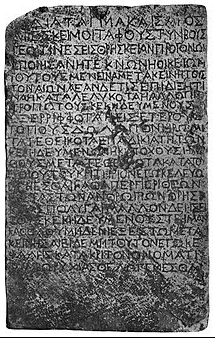
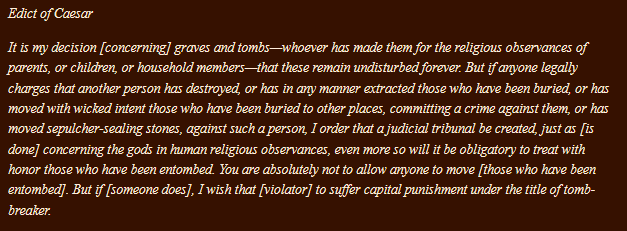
A stone slab dating back to Emperor Claudius (AD 41-54) was discovered in Nazareth, detailing an edict forbidding the stealing of corpses from stone-sealed sepulchres. It was written in Greek with poor grammar, and an analysis shows the marble was sourced from the Greek city of Kos.
Some have used this information to declare that this slab was not a response to Jesus’ resurrection and going missing from His tomb, but those claims are based solely on the location the marble was sourced from (although they state specifically that there was no natural source of marble in the Israeli region and all of it had to be imported from somewhere)… and a different story of another man in Greece named Nikias when “the people of the city pried open the bars of his tomb.” (Nikias Epigram by Crinagoras.)
However, the stone was found in Nazareth (Jesus’ hometown), not Greece where that event took place. It was written in poor Greek as though the one who chiseled it was less literate or not fully fluent (Nazarenes spoke mainly Aramaic and Hebrew), and the story of Nikias is told twice with specific reference to “the bars” of his tomb – no stone to be rolled away. Whatever the case, we know from biblical and extra-biblical sources that the government bribed people to claim the body of Jesus was stolen to cover up the resurrection. Was this one of the tools used to do so?
“And Joseph took the body and wrapped it in a clean linen cloth, and laid it in his own new tomb, which he had hewn out in the rock; and he rolled a large stone against the entrance of the tomb and went away.” Matthew 27:59-60
“They found the stone rolled away from the tomb, but when they entered, they did not find the body of the Lord Jesus. While they were wondering about this, suddenly two men in clothes that gleamed like lightning stood beside them. In their fright the women bowed down with their faces to the ground, but the men said to them, “Why do you look for the living among the dead? He is not here; he has risen! Remember how he told you, while he was still with you in Galilee: ‘The Son of Man must be delivered over to the hands of sinners, be crucified and on the third day be raised again.’ ” Then they remembered his words.” Luke 24:2-8
“And behold, there was a great earthquake, for an angel of the Lord descended from heaven, and came and rolled back the stone from the door and sat on it. His countenance was like lightning, and his clothing as white as snow. And the guards shook for fear of him and became like dead men.” Matthew 28:2-4
“Now while they were on their way, some of the guard came into the city and reported to the chief priests all that had happened. And when they had assembled with the elders and consulted together, they gave a large sum of money to the soldiers, and said, “You are to say, ‘His disciples came by night and stole Him away while we were asleep.’ And if this should come to the governor’s ears, we will win him over and keep you out of trouble.” And they took the money and did as they had been instructed; and this story was widely spread among the Jews, and is to this day.” Matthew 28:11-15

The Crucified Man at Givat Hamivtar
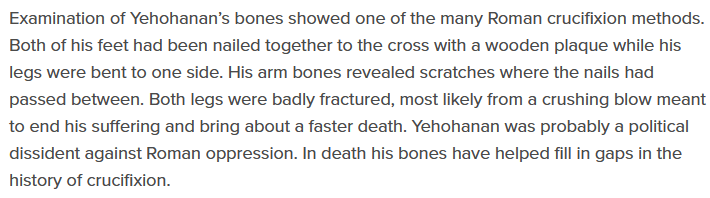
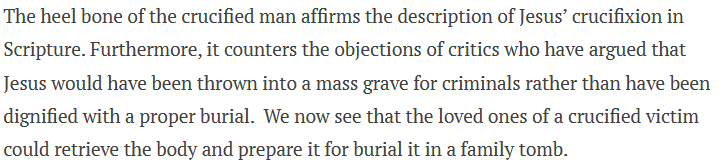
Up until 1968, the Roman punishment method of crucifixion was widely known, but there had never been an actual crucifixion victim available to study for proof. Then, in an ossuary in Jerusalem, archaeologists discovered the remains of a man whose name was inscribed as Yehohanan. With the collection of bones, they found a heel bone with a metal nail still driven through it. It appears as though the spike had bent after the Romans had driven it in, and instead of pulling it out and causing more damage to his body, the family opted to leave it as it was for his burial. This confirms that the bodies of the crucified were not all thrown into a mass grave, as some have theorized – but even for the worst criminals, their loved ones were allowed to take them for private burial, as in the case of Jesus.
Prophecy (written by David in 1020 BCE):
“The congregation of the wicked has enclosed Me.
They pierced My hands and My feet; I can count all My bones.
They look and stare at Me.” Psalm 22:16-17
Fulfillment (April 3, 33AD):
“Then they crucified Him, and divided His garments, casting lots, that it might be fulfilled which was spoken by the prophet:
“They divided My garments among them,
And for My clothing they cast lots.”
Sitting down, they kept watch over Him there. And they put up over His head the accusation written against Him:
THIS IS JESUS THE KING OF THE JEWS.
Then two robbers were crucified with Him, one on the right and another on the left. And those who passed by blasphemed Him, wagging their heads and saying, “You who destroy the temple and build it in three days, save Yourself! If You are the Son of God, come down from the cross.” Likewise the chief priests also, mocking with the scribes and elders, said, “He saved others; Himself He cannot save. If He is the King of Israel, let Him now come down from the cross, and we will believe Him. He trusted in God; let Him deliver Him now if He will have Him; for He said, ‘I am the Son of God.’ ” Even the robbers who were crucified with Him reviled Him with the same thing.” Matthew 27:35-39



“Jesus [is] Present” Inscription at Beit Loya
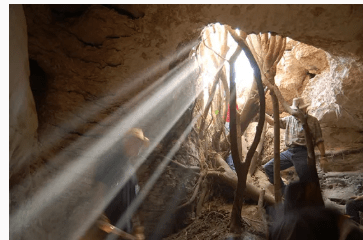
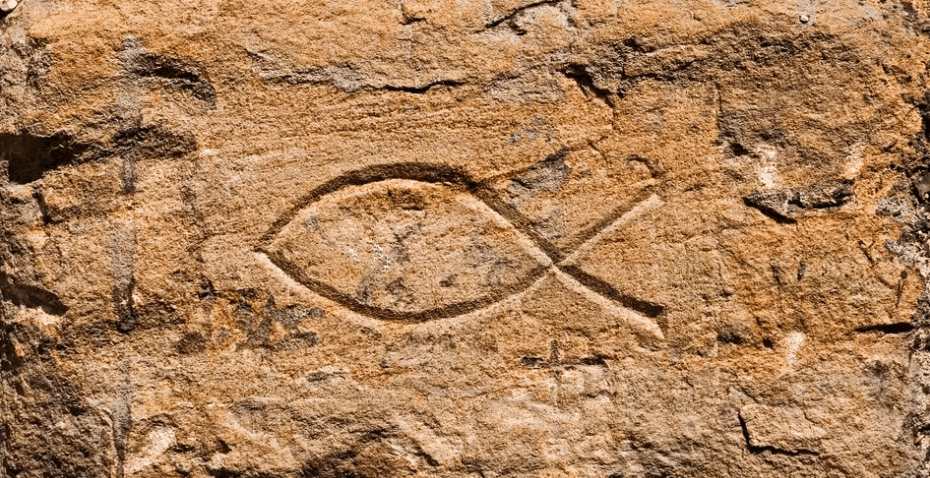
The site of Khirbet Beth Loya, in the Judean hills between Lachish and Hebron is home to an ancient Christian basilica, built in the 500s AD. It was in use for over 200 years before a Muslim cemetery was put in its place. There is evidence, however, that this site was frequented long before the Byzantine period.
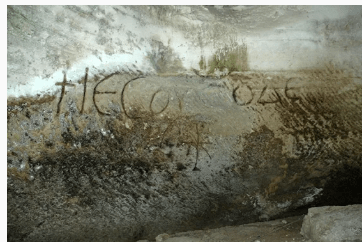
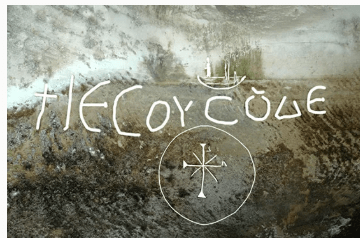
The site also features underground caves, with evidence of occupation dating back to the 200s AD and possibly even earlier. In one of those caves, the entrance of which is obscured by foliage, a large inscription is prefaced with a cross symbol and reads:
“ΙΕCΟΥC ΟΔΕ.” (or in lowercase, “ιεσους οδε.”)
“JESUS [IS] PRESENT.”
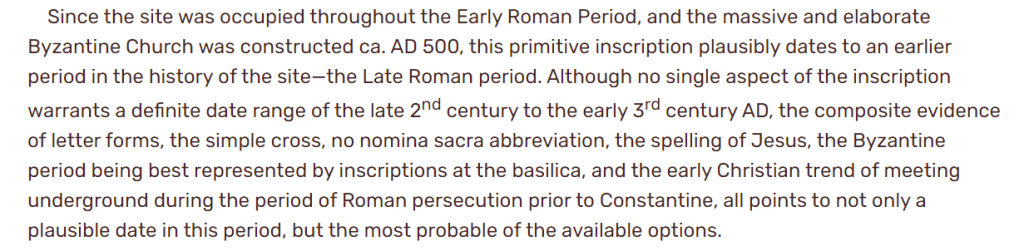
After studying the writing style, letter forms, and spelling of the inscription, and comparing them to other inscriptions found in the area and around the world, researchers have determined it dates back to the late 100s AD to the 200s AD. Koine Greek was the lingua franca, or the language spoken in common life, of the Roman Empire until the Western provinces collapsed in the 5th century, making Latin the lingua franca. Centuries prior to that, around 300AD, certain Greek letters used in common spelling were changed. The letters used in this inscription were the “old” way of spelling. The cross below the inscription appears to have been added later as it is in a different style than that of the first cross, and is a match to Byzantine crosses from the time the church was built several centuries later.
For this statement to have been inscribed in Greek during this timeframe, it would have been done while Christians were being persecuted by Romans and Jews alike. Christianity was illegal under Rome, and Christians were scattered to the hills to hide in the munitions of rocks. They were known to congregate in small companies underground.
For these people to have held strong to their beliefs even in persecution, then run to hide in underground caves, draw the picture of a cross and write in large letters, “Jesus is Here,” they must have truly believed with all their being that He was really crucified and resurrected and could be there with them. This would have been written within about 150-200 years of Jesus’ death, burial, and resurrection — that’s comparable to us looking back in time at the Civil War. This is one of the earliest inscriptions of the name of Jesus, and it is evidence that if Jesus could be with them then, He can be with us now — just like He said in one of His last talks with His disciples after His resurrection.
“Lo, I am with you always, even to the end of the world.” Matthew 28:20
“For where two or three are gathered in my name, there am I among them.” Matthew 18:20
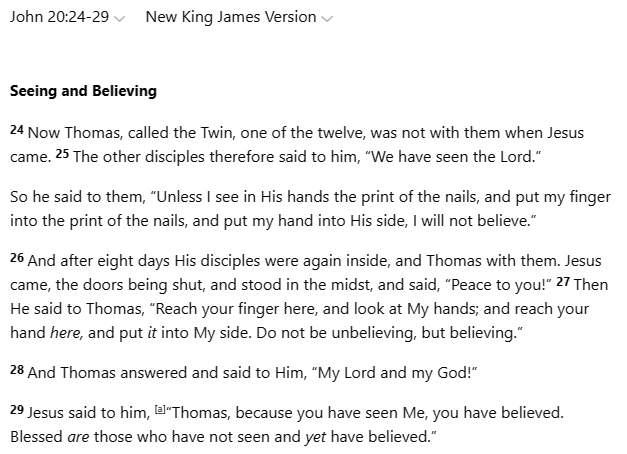
When “Doubting Thomas” – one of the twelve disciples that had followed Jesus for the past three and a half years – boldly stated that he would not believe Jesus had risen from the dead unless he saw the proof, Jesus walked through walls into a locked room and stretched out His nail-pierced hands and showed His sword-pierced side for Thomas to touch for himself. Jesus is so patient with us in our unbelief. But while He is willing to provide whatever necessary evidence to those who are willing to accept it, He also rebukes the generation that constantly seeks a sign although they’ve already set it in their heart not to believe – and says “no sign will be given to it except the sign of the prophet Jonah – For as Jonah was three days and three nights in the belly of the great fish, so will the Son of Man be three days and three nights in the heart of the earth.” (Matthew 12:38-40)…because for some, “they will not be persuaded , though one rise from the dead.” (Luke 16:31)
For those of us who are searching for something we can place our faith in, Jesus Christ of Nazareth has provided more than enough evidence that His Word is true. All we need to do is to accept it – to reach out and touch those nail-scarred hands by faith, and ask for Him to reveal Himself to us as He did to Thomas in the midst of his doubts. He will – what He commanded to Thomas, He commands to all of us – “Do not be unbelieving, but believing.”
link here
The Dead Sea Scrolls
The Avaris Tomb
The Tomb of Amenhotep II
The Soleb Inscription
The Mount Ebal Amulet
Linear Elamite Stone
Sodom and Gomorrah
Ancient Jericho
Tel Lachish and the Toilet Seat
King Uzziah’s Earthquake
The East India House Inscription
Nebo-Sarsechim Tablet
The Babylonian Chronicles
The Flood
The Tel Dan Stela
The Merneptah Stela
Ketef Hinnom Scrolls
Mesad Hashavayu Ostracon
Mount Sinai
Hezekiah’s Tunnel
25,000 Manuscript Copies of the New Testament
Ancient Non-Christian References to Jesus
The St. John Fragment – Ryland’s Papyrus 52
The Pilate Stone
The Caiaphas Ossuary
The Bethesda Pool
The Pool of Siloam
The Gallio Inscription
The Erastus Inscription
The Sergius Paulus Inscriptions
The Nazareth Inscription
The Crucified Man
“Jesus [Is] Present” Inscription at Beit Loya
Conclusion
 THE LAND OF THE LIVING